Key takeaways
- Odor control: Look for activated carbon or another odor-adsorbing medium. HEPA filters capture dander and dust but do not, by themselves, remove every gas responsible for litter odor.
- Filtration: A washable pre-filter helps catch fur and larger debris before it reaches the main filter, extending filter life and keeping airflow steady.
- Room coverage: Match the purifier’s tested coverage to the room where the litter box sits, not just the total size of your home. Strong airflow matters more than an impressive maximum-area claim.
- Pet safety: Prefer ozone-free models for enclosed living spaces. Be cautious with ozone-generating devices and follow manufacturer guidance carefully, particularly around cats and other pets.
- Noise and upkeep: Quiet sleep settings, accessible filters, washable components, and sensible replacement costs make a bigger difference than flashy controls in everyday use.
What's inside
Cat litter odor is rarely just a matter of a few unpleasant minutes after scooping. In a well-furnished home, smells can settle into rugs, upholstery, curtains, and the spaces around a litter station—especially when ventilation is limited or the box sits near a bedroom. An air purifier can help capture airborne particles and reduce lingering odors, but the right choice depends on room size, filtration, noise, and whether the device produces ozone or ions.
This guide compares compact litter-area deodorizers with full-size HEPA air cleaners suited to bedrooms, living rooms, and multi-pet homes. We focus on practical outdoor-living considerations too: airflow, durability, easy maintenance, and how well each unit fits into a real home setup where fresh air and quiet operation matter.
As an Amazon Associate we earn from qualifying purchases.


How to Choose an Air Purifier For Cat Litter Odor (2026)
- Odor control: Look for activated carbon or another odor-adsorbing medium. HEPA filters capture dander and dust but do not, by themselves, remove every gas responsible for litter odor.
- Filtration: A washable pre-filter helps catch fur and larger debris before it reaches the main filter, extending filter life and keeping airflow steady.
- Room coverage: Match the purifier’s tested coverage to the room where the litter box sits, not just the total size of your home. Strong airflow matters more than an impressive maximum-area claim.
- Pet safety: Prefer ozone-free models for enclosed living spaces. Be cautious with ozone-generating devices and follow manufacturer guidance carefully, particularly around cats and other pets.
- Noise and upkeep: Quiet sleep settings, accessible filters, washable components, and sensible replacement costs make a bigger difference than flashy controls in everyday use.
The Best Air Purifier For Cat Litter Odor (2026)s Reviewed
LEVOIT Vital 100S-P
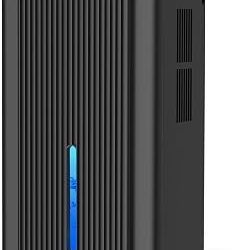
The LEVOIT Vital 100S-P is the most versatile choice here for a bedroom, den, or open-plan living area. Its washable pre-filter is useful in homes with shedding pets, while HEPA filtration, sleep mode, and smart monitoring make it easier to run consistently without turning the room into a noisy utility space.
KNKA APH4000
With broad stated coverage and a washable pre-filter, the KNKA APH4000 is aimed at larger rooms where litter odor can disperse before you notice it. Its air-quality display and pet mode are practical touches, though buyers should still position it near—but not directly beside—the litter box for balanced circulation.
Ozone-Free Three-Mode Litter Deodorizer
This compact, ozone-free plug-in deodorizer is designed for targeted odor control in litter areas, kitchens, bathrooms, and similar spaces. Its three circulation modes and unscented operation suit households that dislike perfumes, although a small plug-in unit should be viewed as a supplement rather than a replacement for ventilation and regular litter maintenance.
Three-Pack Plug-In Cat Litter Deodorizers
The three-pack is convenient for homes with multiple litter stations or adjacent problem areas. These small ionizing units take up very little space, but they do not provide the broad dust and dander filtration of a HEPA purifier; place them where air can circulate freely and check the product’s operating guidance before use around pets.
Two-Pack Filterless Litter Deodorizers
This two-pack offers a simple way to cover two small spaces, such as a litter closet and nearby hallway. Its quiet, filterless design keeps maintenance minimal, but its compact format limits how much air it can process, making it better suited to localized odor control than whole-room purification.
Frequently Asked Questions
Do air purifiers remove cat litter odor?
They can reduce airborne odor, particularly when they combine strong airflow with activated carbon or another gas-adsorbing filter. They work best alongside frequent scooping, clean litter, a covered waste container, and reasonable ventilation.
Is a HEPA purifier enough for litter box smells?
Not always. HEPA filtration is excellent for dander, dust, and fine particles, but odor molecules are gases; choose a model with a meaningful carbon stage if odor reduction is the main goal.
Should an air purifier sit next to the litter box?
Place it nearby, but leave enough clearance for the intake and outlet. Avoid positioning it where scattered litter can be pulled directly into the machine, and keep cords secured away from curious pets.
Are ozone air purifiers safe for cats?
Ozone-generating models deserve particular caution because ozone can irritate the respiratory system. For occupied rooms and pet areas, an ozone-free purifier is generally the more sensible option; always follow the manufacturer’s safety instructions.
Final Thoughts
The LEVOIT Vital 100S-P is the strongest all-around pick for filtration, pet hair, and quiet daily use, while the KNKA APH4000 makes more sense for larger rooms. For a discreet litter-station supplement, the ozone-free three-mode deodorizer is the safer, more focused choice.