Key takeaways
- Clean on a dry, breezy day when you can ventilate the room or use an outdoor drying area.
- Place a washable mat at entry doors to reduce the grit and moisture that reach the main rug.
- Keep a small spot cleaner or absorbent towels near patios and pet doors for faster spill response.
- Vacuum regularly; frequent dry soil removal is gentler than repeated deep washing.
What's inside
Area rugs take more punishment than most indoor textiles: tracked-in grit, damp shoes, muddy paws, spilled drinks, and the occasional burst of pollen from an open door. Cleaning one well is not simply a matter of adding more water. The wrong method can loosen backing, leave a tide mark, flatten the pile, or keep the rug damp long enough to develop an odor.
This guide explains how to clean an area rug safely, whether it is washable, low-pile, synthetic, or lightly soiled. You will learn how to identify the rug’s cleaning limits, remove dry debris before wet cleaning, choose practical equipment, treat stains, and dry the rug thoroughly. The same approach works especially well for rugs used in mudrooms, enclosed porches, patios, and other high-traffic outdoor-living spaces.
As an Amazon Associate we earn from qualifying purchases.




Our recommended picks
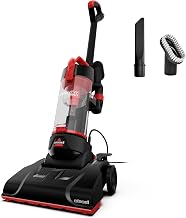
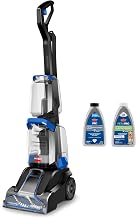
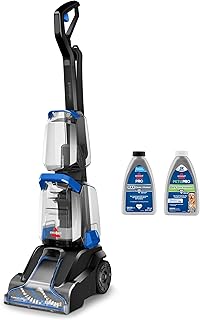
For a washable, low-profile option, the CHAMPLANT Washable Area Rug is convenient because it can be laundered according to its care label rather than saturated in place. For larger rugs and broad refreshes, the BISSELL TurboClean Upright Carpet Cleaner offers an upright format with an OXY-based cleaning system. The lighter Hoover PowerDash Pet Compact Carpet Cleaner is easier to store and move between rooms, while its HeatForce feature is useful when drying time matters.
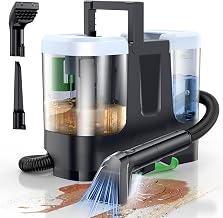
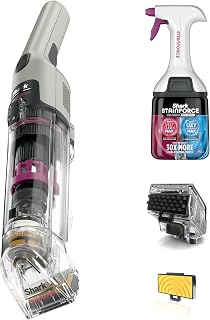
For isolated spills, furniture marks, or muddy paw prints, the Shark StainStriker Portable Spot & Stain Cleaner is more practical than hauling out a full-size machine. The cordless Shark StainForce can be handy near entryways, vehicles, and outdoor seating areas. A machine such as the H6 Carpet Cleaner, with strong suction and separate water tanks, is another option for shoppers who want a dedicated spot-cleaning setup.
1. Check the rug before adding water
Start with the care label, manufacturer instructions, and backing. Machine-washable rugs should be washed only as directed, including any limits on temperature, cycle type, detergent, and drying. Synthetic rugs, including many polypropylene and polyester styles, are often more forgiving than wool, viscose, jute, sisal, silk, or antique rugs. Natural fibers may shrink, bleed, become distorted, or develop water marks when treated at home.
Inspect the edges, seams, fringe, and backing for loose areas. Test your cleaning solution on a hidden corner and wait until it dries. If the color transfers to a white cloth, stop and use a professional cleaner. For valuable, hand-knotted, heirloom, or heavily stained rugs, professional cleaning is usually the safer investment.
2. Remove grit while the rug is dry
Take the rug outdoors if practical and shake it gently, or hang it over a sturdy rail and tap the reverse side. Avoid aggressive beating, which can stress fibers and backing. Vacuum both sides using suitable suction and a brush setting that will not snag the pile. Move slowly, making overlapping passes, and pay attention to the perimeter where grit collects.
Outdoor-living rugs often contain fine sand that acts like abrasive powder underfoot. Removing it before wet cleaning prevents the mud-like residue that forms when dry soil mixes with water. If the rug is too large to move, vacuum thoroughly in place and protect the floor from moisture before proceeding.
3. Treat stains before cleaning the whole rug
Blot fresh spills with clean towels, working from the outside toward the center. Do not scrub forcefully: rubbing can spread the mark and drive it deeper. Remove solids with a dull spoon or scraper, then apply a small amount of a rug-safe cleaner to a cloth rather than flooding the stain.
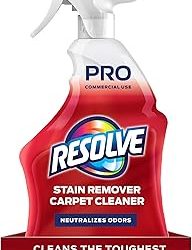
Follow the product directions for dwell time, and blot again with a clean, damp cloth. Pet accidents need prompt attention because odor can reach the backing. Use a cleaner designed for the material and stain, but never mix cleaning products. If a stain remains after one careful treatment, repeated saturation is more likely to cause damage than improvement.
4. Choose the right cleaning method
For a washable rug, use the washer only if the label permits it and the drum can accommodate the rug without crowding. A rug should be supported evenly, not forced into a machine that is too small. Air-dry it flat or as directed; high heat can shrink some materials and weaken rubber or latex backing.
For low-pile synthetic rugs that tolerate moisture, a carpet extractor can provide a deeper refresh. Use only the recommended solution, make slow wet passes, and then make several dry passes to pull out as much water as possible. A compact spot cleaner is better for one or two marks; a full-size upright is more efficient for a large rug with widespread soil. Never assume a powerful machine is automatically suitable—extraction strength does not override the rug’s care requirements.
5. Dry it completely
Drying is the step that protects both the rug and the floor beneath it. Lay the rug flat in a well-ventilated area, elevate it on a clean drying rack if possible, and use fans to move air across both surfaces. Turn it periodically so the backing does not stay damp. Avoid placing furniture on it until it is fully dry.
Do not leave a wet rug on hardwood, laminate, or a sealed outdoor deck. Moisture trapped underneath can stain flooring, soften adhesives, or encourage mildew. If the rug still feels cool, heavy, or smells damp after surface drying, it needs more airflow and time.
Tips
- Clean on a dry, breezy day when you can ventilate the room or use an outdoor drying area.
- Place a washable mat at entry doors to reduce the grit and moisture that reach the main rug.
- Keep a small spot cleaner or absorbent towels near patios and pet doors for faster spill response.
- Vacuum regularly; frequent dry soil removal is gentler than repeated deep washing.
Frequently Asked Questions
Can I clean every area rug with a carpet cleaner?
No. Carpet machines are generally best for rugs labeled safe for water-based extraction, especially colorfast synthetic rugs. Avoid using them on delicate natural fibers, loose-weave rugs, or materials with unstable backing unless the manufacturer approves the method.
How often should an area rug be deep-cleaned?
High-traffic rugs may need a deeper clean every few months, while lightly used bedroom rugs may need it only once or twice a year. Vacuuming frequency, pets, weather, and the amount of outdoor debris entering the home matter more than a rigid calendar.
Why does my rug smell after cleaning?
The most common reason is incomplete drying, especially where the backing meets the floor. Improve airflow, lift the rug from the surface, and continue drying. Persistent odor may indicate residue, pet contamination in the backing, or mildew that requires professional attention.
Should I use hot water on an area rug?
Only if the care instructions allow it. Heat can cause shrinkage, dye bleeding, backing failure, or fiber distortion. Lukewarm or cool water is the safer default when the label is unclear, but uncertain or valuable rugs should be professionally assessed.
Conclusion
The best way to clean an area rug is a controlled process: identify the material, remove dry grit, spot-test the cleaner, use only an approved amount of moisture, and dry both sides thoroughly. Choose equipment according to the job—a washable cycle for a compatible rug, an extractor for a broad synthetic surface, or a portable cleaner for individual stains. That approach keeps rugs fresher while protecting the fibers, backing, and floor underneath.