Key takeaways
- Match the room: Choose a compact unit for a closet, small bedroom, or RV, and a larger-capacity model for open basements, laundry areas, or several connected rooms.
- Prioritize airflow: Set the dehumidifier on a level surface with clear space around its intake and exhaust. Avoid wedging it behind furniture, curtains, or storage bins.
- Plan for drainage: A removable tank works well in bedrooms and living spaces, while a hose connection is more convenient for basements or areas that stay damp.
- Consider sound: For sleeping areas, look for sleep mode or a low-noise design. In utility rooms, higher output may matter more than near-silent operation.
- Protect the unit: Keep it away from splashing water, direct rain, extreme cold, and unstable flooring. Leave enough room to remove the tank without moving surrounding furniture.
What's inside
Humidity is one of those outdoor-living problems that follows you indoors. Wet boots, damp camping gear, rainy-day laundry, and poorly ventilated rooms can leave basements, bedrooms, RVs, and storage areas feeling clammy long after the weather clears. Put a dehumidifier in the wrong spot, however, and it may work harder while removing less moisture.
This guide focuses on practical placement: airflow, drainage, noise, temperature, and access to the spaces where moisture actually collects. The selections range from compact units for closets and RVs to higher-capacity models suited to basements and whole-home humidity control.
As an Amazon Associate we earn from qualifying purchases.


How to Choose a/an Place To Put Dehumidifier (2026)
- Match the room: Choose a compact unit for a closet, small bedroom, or RV, and a larger-capacity model for open basements, laundry areas, or several connected rooms.
- Prioritize airflow: Set the dehumidifier on a level surface with clear space around its intake and exhaust. Avoid wedging it behind furniture, curtains, or storage bins.
- Plan for drainage: A removable tank works well in bedrooms and living spaces, while a hose connection is more convenient for basements or areas that stay damp.
- Consider sound: For sleeping areas, look for sleep mode or a low-noise design. In utility rooms, higher output may matter more than near-silent operation.
- Protect the unit: Keep it away from splashing water, direct rain, extreme cold, and unstable flooring. Leave enough room to remove the tank without moving surrounding furniture.
The Best Place To Put Dehumidifier (2026)s Reviewed
95 oz Home Dehumidifier with Ambient Light
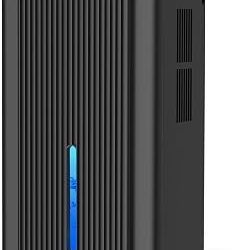
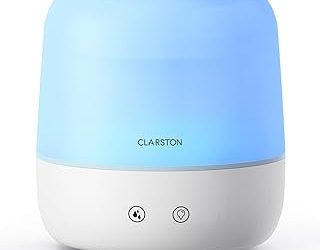
This 95-ounce home dehumidifier is a sensible fit for bedrooms, living rooms, and smaller basement zones up to about 1,000 square feet. Its auto shutoff is useful when the tank fills, while the quiet operation and seven-color ambient light make it easier to place in a visible living area rather than hide it in a corner.
ToLife 1000 Sq. Ft. Dehumidifier
The ToLife Dehumidifier combines a 95-ounce tank with sleep mode, making it a practical bedside or bathroom option where noise and appearance matter. Place it near the room’s dampest side, but not directly against a wall; the portable format is convenient when moving it between a bedroom, bathroom, and basement.
1000 Sq. Ft. Grey Dehumidifier
This grey 95-ounce model offers the familiar features many households need: quiet operation, auto shutoff, and a color ambient light. It is best positioned in a central, open section of a bedroom, bathroom, or finished basement so air can circulate through the room instead of being trapped behind furniture.
35 oz Compact Bedroom and RV Dehumidifier
For small spaces, this 35-ounce dehumidifier is easier to place than a full-size machine. Its 28dB operation suits bedrooms, closets, bathrooms, and RVs, while the small footprint works well on a sturdy floor or low shelf with adequate clearance. Expect more frequent emptying in especially damp conditions.
4500 Sq. Ft. Compressor Dehumidifier
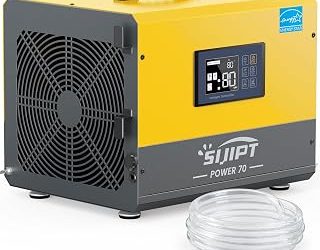
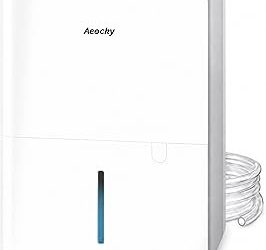
This compressor-style unit is designed for demanding basement, office, bathroom, and whole-zone use, with intelligent humidity control and a drain hose for continuous operation. It makes the most sense near a floor drain or sump area, provided the hose can run downhill without kinks and the machine has open space for warm exhaust air.
Frequently Asked Questions
Where is the best place to put a dehumidifier?
Place it in the room with the highest humidity, usually a basement, laundry area, bathroom, or poorly ventilated bedroom. Keep it near the center of the space when possible, with several inches of clearance around the air vents.
Can I put a dehumidifier against a wall?
It is better not to. Most units need unobstructed intake and exhaust airflow, so leave the manufacturer’s recommended clearance—or at least several inches—between the appliance and nearby walls, curtains, and furniture.
Should a dehumidifier sit on the floor?
Floor placement is generally safest for larger units because they are heavy and may collect condensation. A compact model can sit on a stable, level surface, but never place one where it could tip or where a leaking tank might damage electronics or wood.
Is a basement or bedroom dehumidifier better with a hose?
A hose is especially helpful in a basement or other continuously damp area because it avoids repeated tank emptying. For a bedroom or RV, a removable tank is often simpler, quieter to manage, and easier to use without permanent drainage access.
Final Thoughts
For bedrooms and everyday rooms, the ToLife 1000 Sq. Ft. Dehumidifier and the 95 oz home model are balanced choices. The compact 35 oz unit is better for an RV or closet, while the 4500 Sq. Ft. compressor model is the stronger pick for a persistently damp basement with a suitable drain nearby.