Key takeaways
- Fiber type: Polypropylene shrugs off moisture and fades slowly, making it the default for doors that catch sun or rain. Cotton and chenille blends feel better underfoot and absorb more water, but they need a wash cycle to recover. Wool is lovely and wildly impractical within three feet of a door.
- Pile height: Anything above roughly half an inch will fight your door swing and hide debris instead of releasing it. Low-profile constructions vacuum clean, dry faster, and sit flat when a screen door passes over them.
- Backing: Rubber and TPR backings grip hard floors and block water from reaching the subfloor. Latex-free options age better in temperature swings; avoid stiff PVC that curls once winter hits an unheated entry.
- Washability: Look for a stated machine-wash rating and cold-water instructions. A rug you can throw in the drum monthly will outlast a “spot clean only” piece by years in a real household.
- Size and placement: A 2×3 handles a single door and one pair of boots. Once you’re covering a landing, hallway mouth, or a spot where two people unlace at the same time, step up to 3×5 or larger so the rug catches traffic instead of getting kicked sideways.
What's inside
Every entryway is really a handoff point. On one side you have a patio, a driveway, a gravel path, or a stretch of lawn that has just been watered; on the other, floors you’d rather not refinish in five years. The rug sitting in between takes the brunt of that transition, and the fiber it’s built from decides whether grit gets trapped in the pile or ground into your hardwood. Shoppers usually pick a pattern first and discover the material problem later, after the first muddy week or the first attempt at washing something that was never meant to get wet.
This guide approaches entryway rugs the way I’d spec a covered porch or a mudroom threshold: fiber first, construction second, looks third. Below you’ll find the picks worth considering in 2026, plus a breakdown of how polypropylene, cotton blends, rubber backing, and flatweave outdoor constructions actually behave against tracked-in water, salt, pollen, and pine needles.
As an Amazon Associate we earn from qualifying purchases.


How to Choose a Material For Entryway Rug (2026)
- Fiber type: Polypropylene shrugs off moisture and fades slowly, making it the default for doors that catch sun or rain. Cotton and chenille blends feel better underfoot and absorb more water, but they need a wash cycle to recover. Wool is lovely and wildly impractical within three feet of a door.
- Pile height: Anything above roughly half an inch will fight your door swing and hide debris instead of releasing it. Low-profile constructions vacuum clean, dry faster, and sit flat when a screen door passes over them.
- Backing: Rubber and TPR backings grip hard floors and block water from reaching the subfloor. Latex-free options age better in temperature swings; avoid stiff PVC that curls once winter hits an unheated entry.
- Washability: Look for a stated machine-wash rating and cold-water instructions. A rug you can throw in the drum monthly will outlast a “spot clean only” piece by years in a real household.
- Size and placement: A 2×3 handles a single door and one pair of boots. Once you’re covering a landing, hallway mouth, or a spot where two people unlace at the same time, step up to 3×5 or larger so the rug catches traffic instead of getting kicked sideways.
The Best Material For Entryway Rug (2026)s Reviewed
Washable 2×3 Entryway Area Rug, Beige
A soft, vintage-print mat with a low profile and a non-slip base, this is the fiber balance I recommend for interior-side doors that see socks more than boots. It launders cleanly and the muted beige hides the light dust that blows in from a patio without looking dingy.
24″x36″ Non-Slip Absorbent Door Mat, Khaki
The rubber-backed, high-absorbency build makes this the workhorse of the group, pulling standing water off shoe soles before it reaches your floor. Slim enough to clear a storm door, and the khaki tone is forgiving with red clay and mulch dust.
Lahome Floral Washable 2×3 Rug, Black Paisley
Stain resistance is the headline here, and the dark paisley print does real camouflage work in a high-traffic spot. It suits a back door off a garden or grill area where you want something decorative that won’t telegraph every scuff.
Unique Loom Indoor/Outdoor Flatweave Rug
This is the one true outdoor-rated construction on the list, and at 3’3″ x 5’3″ it’s sized for covered porches, breezeways, and screened entries. The flatweave polypropylene sheds water, resists UV fading, and can be hosed down and left to dry in place.
Lahome Moroccan Trellis Door Mat, Blue
A machine-washable 2×3 with a printed trellis motif and a grippy backing, well suited to a front entry where you want the rug to read as decor rather than utility. Keep this one under an overhang, since the color is more vivid than fade-proof.
Frequently Asked Questions
What material lasts longest in an entryway?
Polypropylene, by a wide margin. It doesn’t absorb moisture, resists mildew, and holds color under sun exposure better than natural fibers, which is why it dominates indoor/outdoor flatweaves.
Can I use a jute or sisal rug at my front door?
Only under full cover and in a dry climate. Natural plant fibers wick water into the weave, stiffen as they dry, and can stain the floor beneath them after repeated soakings.
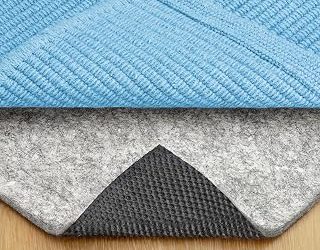
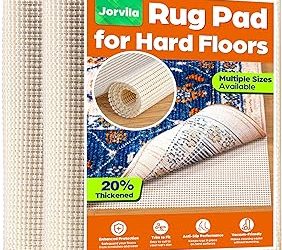
Do I still need a rug pad?
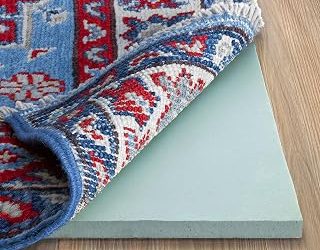
If the rug already has rubber or TPR backing, no. On tile or polished concrete where the mat still creeps, a thin grip pad adds security without raising the profile much.
How often should an entry rug be washed?
Monthly during wet and pollen-heavy seasons, quarterly otherwise. Cold water, gentle cycle, and air drying preserve both the fibers and the backing.
Final Thoughts
For a covered porch or any spot that gets genuinely weathered, the Unique Loom indoor/outdoor flatweave is the most durable choice on this list. Just inside the threshold, the 24″x36″ rubber-backed absorbent mat does the heavy lifting on water and grit, while the washable 2×3 in beige is the better call when comfort and appearance matter more than raw absorption.