
Key takeaways
- Buy for the movement, not the muscle. Before adding anything, ask which of the five basic patterns your setup can’t load. If you can’t pull vertically, that’s your next purchase — not another set of grip attachments.
- Check the load ceiling, then subtract. A bench rated for 600 pounds total is fine; a bench rated at 250 pounds “including user” is a countdown clock. Assume you’ll be stronger in two years than you are today.
- Measure the ceiling and the swing arc. Overhead pressing, jumping rope, and kettlebell swings all need vertical clearance most people never check. Stand where you’ll train, raise a loaded arm, and look up.
- Prefer one adjustable item over three fixed ones. Storage is the hidden cost of home equipment. Anything you have to move before you can train adds friction, and friction is what ends home training habits.
- Read reviews from the two-year mark. Sort by most recent and look for the words “still” and “after.” Nothing fails in week one; selector pins, welds, and vinyl seams fail in month fourteen.
What's inside
I helped a friend clear out his garage gym last spring, and the inventory told a story. The ab roller still had the sticker on it. A vibrating “core belt” was wedged behind the water heater. Meanwhile, four items had chipped paint, scuffed handles, and chalk ground into the grip texture — the unmistakable look of things that get used three or four times a week. That ratio is the whole problem with home training: most people spend their budget on novelty and then run out of money before they buy the boring stuff that actually carries a program.
So this list is deliberately unglamorous. Six accessories, chosen because they let you progressively overload a real movement pattern — push, pull, hinge, squat, carry — rather than adding one more isolated exercise to your repertoire. I’ve weighted the picks toward adjustability, because a 400-square-foot basement can’t absorb a rack of fixed dumbbells, and toward durability, since anything that wobbles under load stops getting used within a month. Where a cheaper version does the job, I say so.
As an Amazon Associate we earn from qualifying purchases at no extra cost to you. Product prices and availability are accurate as of the date shown and are subject to change.

#1 Pick

#2 Pick

#3 Pick

#4 Pick

#5 Pick
#6 Pick
#7 Pick

As an Amazon Associate we earn from qualifying purchases at no extra cost to you. Product prices and availability are accurate as of the date shown and are subject to change.
#1 Pick
Quick Comparison
| Gear | Best for | Space needed | Watch out for |
|---|---|---|---|
| Adjustable dumbbells (dial or pin) | Replacing an entire rack of fixed weights | About two shoeboxes on the floor | Plastic selector mechanisms; no dropping |
| Adjustable FID bench | Pressing, rows, hip thrusts, step-ups | Folds to roughly a suitcase | Low weight ratings on budget models |
| Doorway pull-up bar | Vertical pulling without drilling | Zero floor space | Trim damage; door frame width limits |
| Suspension trainer | Rows, presses, and single-leg work anywhere | Fits in a drawer | Needs a solid anchor point |
| Long-loop resistance bands | Assisted pull-ups, warm-ups, added tension | Hangs on a hook | Latex degrades; check for nicks |
| Interlocking rubber tiles | Protecting floors and joints | Whatever your training area is | Off-gassing smell for the first week |
How to Choose
- Buy for the movement, not the muscle. Before adding anything, ask which of the five basic patterns your setup can’t load. If you can’t pull vertically, that’s your next purchase — not another set of grip attachments.
- Check the load ceiling, then subtract. A bench rated for 600 pounds total is fine; a bench rated at 250 pounds “including user” is a countdown clock. Assume you’ll be stronger in two years than you are today.
- Measure the ceiling and the swing arc. Overhead pressing, jumping rope, and kettlebell swings all need vertical clearance most people never check. Stand where you’ll train, raise a loaded arm, and look up.
- Prefer one adjustable item over three fixed ones. Storage is the hidden cost of home equipment. Anything you have to move before you can train adds friction, and friction is what ends home training habits.
- Read reviews from the two-year mark. Sort by most recent and look for the words “still” and “after.” Nothing fails in week one; selector pins, welds, and vinyl seams fail in month fourteen.
Top Picks Reviewed
Adjustable Dumbbells, 5–50 lb Pair
This is the single highest-leverage purchase in a home gym, and it’s not close. One pair covers goblet squats at 35, rows at 50, and lateral raises at 10, which is most of a full-body program. The tradeoff is handling: dial-style sets are longer than a standard dumbbell, so the plates can bump your legs during walking lunges, and none of them survive being dropped from lockout. If you train to failure on heavy presses, buy a spotter-friendly bench angle and lower them under control. Pin-selector models tend to feel more compact; dial models change weight faster between supersets.
Adjustable Flat/Incline/Decline Bench
A bench turns dumbbells from an accessory into a training system. Incline pressing, chest-supported rows, seated shoulder work, hip thrusts, and Bulgarian split squats all open up the moment you own one. Look for a ladder-style back adjustment rather than a pop-pin if you want fine control, a pad gap of less than three inches at the hinge, and rubber feet that don’t skate on hard floors. The upgrade worth paying for is frame gauge — heavier steel means the bench doesn’t shift sideways when you’re pressing asymmetrically. Folding models save space but check the locked footprint, not just the folded one.
Doorway Pull-Up Bar
Vertical pulling is the pattern home lifters most often skip, and a leverage-mount doorway bar solves it for the price of a takeout dinner. It clamps against the frame using your bodyweight rather than screws, so renters can use it, though the pads will burnish the paint over time — a strip of felt fixes that. Grip diameter is usually thinner than a real bar, which makes chin-ups feel easier than they should; wrapping a towel or using thick grips restores the challenge. Verify your frame is solid wood or reinforced, and test with a slow hang before your first full set.
Suspension Trainer
Straps earn their spot through range of motion and joint kindness. Inverted rows, chest presses at any angle, hamstring curls, and assisted pistol squats all adjust instantly by walking your feet forward or back, which makes them ideal for training around a cranky shoulder or elbow. The strength of the system is also its limitation: load progression happens through body angle, not added weight, so it caps out for advanced lifters on pressing. Anchor quality matters more than the straps — a door anchor works, a joist strap works better, and a rafter with a carabiner is best.
Long-Loop Resistance Bands
These are the flat continuous loops, not the tube-and-handle kits. A light and a medium band let you assist pull-ups while you build toward your first unassisted rep, add accommodating resistance to hip thrusts, and run through shoulder dislocations before pressing. They’re also the cheapest way to keep training when you travel. Inspect them regularly: latex fails suddenly, usually at a nick, and a snapped band under tension stings badly. Store them out of direct sunlight and away from anything with a burr or sharp edge.
Interlocking Rubber Floor Tiles
Nobody’s excited about flooring, which is why so many home gyms have dented laminate and a dumbbell-shaped divot in the drywall. Three-quarter-inch rubber tiles dampen noise for anyone living below you, give your bench a non-slip base, and make floor work — pushups, planks, stretching — something you’ll actually do instead of avoid. Buy enough to cover the platform area plus a foot in every direction. Air out new tiles in a garage for a few days; the rubber smell fades but it’s noticeable at first in a closed room.
Frequently Asked Questions
Do I need a barbell and rack too?
Not to start. Dumbbells and bodyweight work will build meaningful strength for a long time, and most people quit before they outgrow them. Add a barbell when you have a specific reason: you want to compete, you’ve stalled because your dumbbells max out, or you genuinely enjoy heavy squats and deadlifts. That’s a floor-load and ceiling-height conversation, not an impulse buy.
Can adjustable dumbbells handle explosive lifts?
No. Snatches, cleans, and anything you’d finish by dropping the weight will destroy a selector mechanism. If power work is central to your training, buy one or two fixed kettlebells alongside the adjustables and use those for ballistic movements. Kettlebells tolerate contact with the floor in a way that plated dumbbells don’t.
How much space does this setup actually need?
Roughly 6 by 8 feet of clear floor and about 8 feet of ceiling covers everything here, including overhead pressing and suspension trainer rows. The bench and dumbbells can tuck against a wall between sessions, which is what makes this list workable in a spare bedroom or a shared garage bay.
What about cardio equipment?
Deliberately left off. Treadmills and bikes are expensive, enormous, and easy to substitute — a jump rope, a set of stairs, or loaded carries with your dumbbells cover conditioning for a fraction of the cost and footprint. Buy a machine only if bad weather would otherwise stop you from training at all.
Final Thoughts
If you buy in order, start with the dumbbells and the bench. Those two cover the majority of a serious program, and you can add the pull-up bar for under thirty dollars the same week. Straps, bands, and flooring fill in the gaps as your training gets more specific. What makes a home gym work isn’t breadth of equipment — it’s owning a small number of things sturdy enough that you never think about them mid-set, and having them ready the moment you walk through the door.
FAQ
Do I need a barbell and rack too?
Can adjustable dumbbells handle explosive lifts?
How much space does this setup actually need?
What about cardio equipment?
8 Best Gym Mats for Home: Rubber vs Foam Picks for Any Floor
Best gym mat for home choices come down to material density and...
8 Best Rowers for Home Gym: Air, Magnetic and Water Compared
Best rowers for home gym shortlists usually collapse once someone measures the...
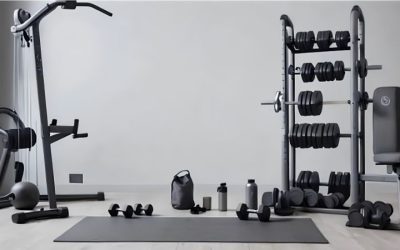
8 Best Weight Home Gyms: 6 All-in-One Machines for Small Rooms
Best weight home gym decisions come down to two numbers before brand...
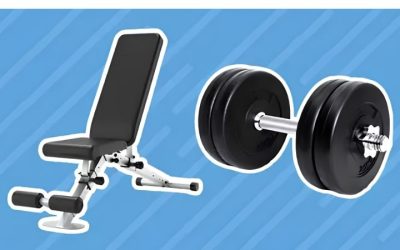
8 Best Home Gym Equipment for Beginners: The Starter Setup
Best home gym equipment for beginners is not a machine – it...
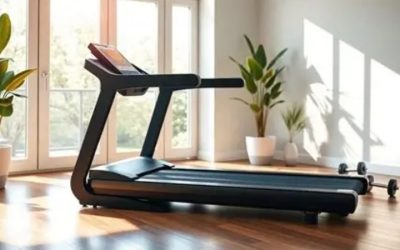
Best Treadmills for Home Gym: 5 Picks by Deck and Motor
Best treadmills for home gym decisions come down to two specifications and...
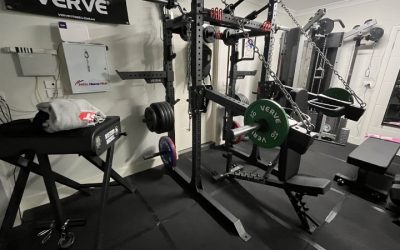
8 Best Home Gym Compact Setups: 6 Space-Saving Picks Ranked
Best home gym compact claims usually quote a stored footprint and stay...
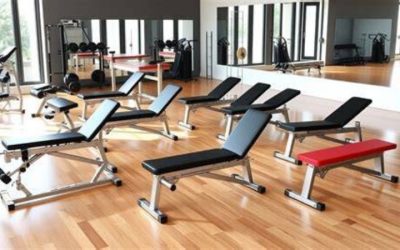
Best Adjustable Bench for Home Gym: 5 Picks Ranked by Use
Best adjustable bench for home gym decisions turn on three numbers most...
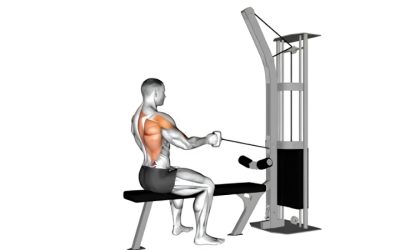
Best Cable Machine for Home Gym: 5 Picks and Pulley Ratios
Best cable machine for home gym shortlists collapse quickly once you convert...
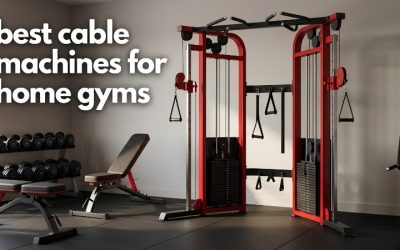
8 Best Cable Machines for Home Gym: 5 Types and Their Limits
Best cable machines for home gym use are not one product category...
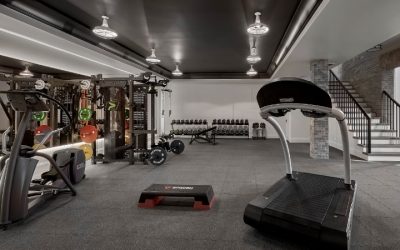
8 Best Home Gym Setups: Floors, Ceilings, Noise and Layout
Best home gym setup guides talk about equipment and skip the room,...
Write Your Review
No reviews yet. Be the first to share your experience!