Key takeaways
- Clean ceiling fans every four to eight weeks during high-pollen or heavy-use seasons; sheltered outdoor fans may need more frequent attention.
- Use a pillowcase-style or enclosed microfiber head when possible to keep falling dust contained.
- Wash reusable microfiber pads separately from towels and avoid fabric softener, which can reduce their dust-trapping ability.
- Mark the fan’s blade positions before removing anything so you can return components to their original locations.
What's inside
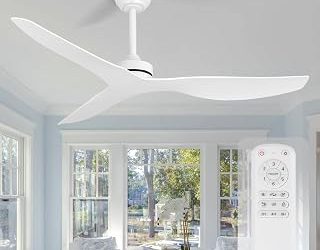
Ceiling fans earn their keep in outdoor rooms, screened porches, sunrooms, and open-plan homes, but their blades also collect dust, pollen, pet hair, and the fine grit carried in through open windows. When that buildup drops, it can spread across furniture and floors—or add enough imbalance to make a fan wobble and hum.
This guide explains the safest, least-messy way to clean a ceiling fan, whether it hangs over a living room or a weather-protected patio. You’ll learn which tools are worth buying, how to clean without climbing unnecessarily, when to use a damp cloth, and how to protect the motor and finish.
As an Amazon Associate we earn from qualifying purchases.



Choose the Right Fan-Cleaning Tool
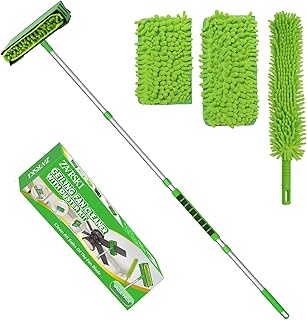
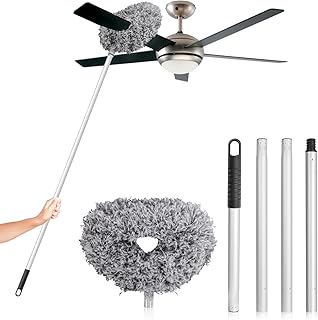
The best cleaner matches the fan’s height, blade shape, and surrounding space. A washable microfiber head is preferable to a feather duster because it traps dust instead of simply redistributing it. An adjustable pole also lets you work from the floor, which is especially useful around stairwells, vaulted ceilings, and outdoor furniture that makes ladder placement awkward.
For standard-height ceilings, the DRQ Ceiling Fan Cleaner Duster and SetSail Ceiling Fan Cleaner Duster both follow the useful 13-to-48-inch adjustable format. The FONUNO Ceiling Fan Cleaner Duster extends to 50 inches and is another sensible choice when you need a little extra reach. Look for a head that can be removed for washing and a pole that locks firmly; a loose connection can make it difficult to guide the duster along the blade.
Very high ceilings need a different approach. The Ceiling Fan Cleaner Duster with 6 Ft/72-inch Extension Pole provides more reach for tall rooms, while the LAANPOLE 26FT Reach Ceiling Fan Cleaner Duster is designed for unusually high installations. Long poles become harder to control as they extend, so use slow movements and keep people clear of the area beneath the fan.
Prepare the Area Before Cleaning
Turn the fan off at the wall switch and wait until every blade has stopped. For the most secure setup, switch off the fan’s circuit at the electrical panel if you will be touching the housing, removing the light cover, or using a damp cloth near electrical components. Do not rely on a remote control alone; someone could activate the fan accidentally.
Move chairs, tables, and delicate outdoor furniture away from the cleaning zone. Put a washable sheet or drop cloth beneath the fan, particularly if the blades have not been cleaned for several months. Close nearby windows and doors temporarily so a breeze does not scatter loosened dust. If you are using a ladder, place it on a level, dry surface and have another adult steady it. Never stand on a chair, cooler, planter, or patio table.
Clean the Blades Without Spreading Dust
Start with a dry microfiber sleeve. If possible, approach each blade from the side and guide the duster over its upper and lower surfaces in one controlled pass. A sleeve that surrounds the blade is helpful because it captures debris rather than knocking it onto the floor. Keep the pole at a comfortable angle and avoid pushing hard against the blade, which can flex it or stress the mounting bracket.
Work from the blade nearest you and move around the fan in the same direction. Check the top of the motor housing, light fixture, and pull chain area as you go. For a fan installed on a covered porch, pay particular attention to pollen and insect residue around the blade edges. Do not use a hose, pressure washer, spray bottle, or dripping cloth on an indoor or outdoor ceiling fan.
Use Moisture Only for Stubborn Grime
Once loose dust is gone, inspect the blades. If fingerprints, cooking film, or pollen residue remain, lightly dampen a microfiber cloth with water and a small amount of mild dish soap. The cloth should feel barely moist, never wet enough to drip. Wipe the blade with one hand while supporting it gently with the other only if you can reach it safely from the floor or a properly positioned ladder.
Follow with a clean, dry cloth. Keep moisture away from the motor housing, switches, wiring, and ceiling junction. Avoid abrasive sponges, bleach, ammonia, furniture polish, and strong solvent-based cleaners; these can dull painted finishes, damage wood-look laminates, or leave a slippery film that attracts more dust. Check the fan manufacturer’s care instructions first, especially for real wood blades or exterior-rated finishes.
Finish With a Safety and Balance Check
After cleaning, examine each blade for cracks, swelling, loose screws, or peeling edges. Confirm that the blade irons and light kit are secure, but do not overtighten screws into wood or thin materials. If the fan wobbles after cleaning, first check that all blades are installed at the same angle and that visible fasteners are snug. A balancing kit may help with minor movement, but persistent wobbling, grinding, or electrical buzzing calls for a qualified electrician or fan technician.
For outdoor fans, verify that the fixture is rated for its location and that seals, covers, and downrod connections remain intact. Cleaning is not a substitute for weatherproofing. If water has entered the housing, leave the power off and arrange an inspection.
Tips
- Clean ceiling fans every four to eight weeks during high-pollen or heavy-use seasons; sheltered outdoor fans may need more frequent attention.
- Use a pillowcase-style or enclosed microfiber head when possible to keep falling dust contained.
- Wash reusable microfiber pads separately from towels and avoid fabric softener, which can reduce their dust-trapping ability.
- Mark the fan’s blade positions before removing anything so you can return components to their original locations.
Frequently Asked Questions
Can I clean a ceiling fan while it is running?
No. A moving fan can catch a pole or cloth, damage the blades, and create a serious balance or injury hazard. Turn it off completely and wait for the blades to stop.
Is a ceiling fan duster better than a regular feather duster?
For most homes, yes. A washable microfiber duster generally captures more fine dust and pollen, while an adjustable pole helps you avoid unstable climbing. A feather duster can still be useful for a quick, light pass, but it tends to release more debris into the room.
How do I clean a fan on a high ceiling?
Use a purpose-built extension duster with a secure locking pole, such as a six-foot model or a longer-reach kit for vaulted spaces. Work slowly from the floor. If you cannot control the extended pole without striking the fan, use professional help rather than stretching from a ladder.
Why does my fan wobble after cleaning?
Dust removal can reveal an existing balance problem, or a blade screw may have loosened. With power off, compare blade alignment and gently check accessible fasteners. Stop using the fan if it shakes heavily, makes new noises, or appears loose at the ceiling.
Conclusion
The cleanest and safest method is simple: switch off the fan, protect the area, capture dry dust with a washable microfiber head, and use only a barely damp cloth for residue. Choose an adjustable cleaner suited to your ceiling height, avoid contact with electrical parts, and treat any wobble or water intrusion as a maintenance issue rather than a cleaning problem. Done regularly, this routine keeps indoor and outdoor living spaces fresher while helping the fan run quietly and evenly.