Key takeaways
- Connector size: Most compatible models use a 3/4-inch FHT connection, but confirm your dehumidifier’s drain-port specifications before ordering.
- Hose length: Choose the shortest practical route to reduce loops, standing water, and accidental snags around stored gear or furniture.
- Fitting material: Brass connectors generally offer a sturdier threaded connection and better resistance to corrosion than lightweight plastic hardware.
- Kink resistance: A hose that bends smoothly without collapsing is easier to position along walls, beneath shelving, or behind a utility cabinet.
- Drainage setup: Keep the hose sloping downward whenever possible, secure it against movement, and never allow the outlet to sit submerged.
What's inside
Best Dehumidifier Drain Hose (2026) — A dehumidifier can pull gallons of moisture from a basement, cabin, laundry room, or enclosed porch, but its collection bucket quickly becomes a chore. The wrong drain hose makes that job worse: fittings may seep, tubing can kink behind furniture, and an overly long run may fail to move water reliably.
This guide focuses on practical, low-maintenance drainage for indoor and outdoor-adjacent living spaces. We compare connector quality, hose flexibility, useful lengths, and installation considerations so you can choose a dependable route from your dehumidifier to a floor drain, utility sink, sump basin, or other approved outlet.
As an Amazon Associate we earn from qualifying purchases.




How to Choose a Dehumidifier Drain Hose (2026)
- Connector size: Most compatible models use a 3/4-inch FHT connection, but confirm your dehumidifier’s drain-port specifications before ordering.
- Hose length: Choose the shortest practical route to reduce loops, standing water, and accidental snags around stored gear or furniture.
- Fitting material: Brass connectors generally offer a sturdier threaded connection and better resistance to corrosion than lightweight plastic hardware.
- Kink resistance: A hose that bends smoothly without collapsing is easier to position along walls, beneath shelving, or behind a utility cabinet.
- Drainage setup: Keep the hose sloping downward whenever possible, secure it against movement, and never allow the outlet to sit submerged.
The Best Dehumidifier Drain Hoses (2026) Reviewed
12FT Dehumidifier Drain Hose with Brass Fittings
This 12-foot option suits basements, workshops, and covered outdoor-living areas where the nearest drain is not close to the appliance. Its rust-resistant brass fitting is a useful choice for humid environments, while the range of available lengths helps avoid excessive coiling.
5-Foot No-Kink Black Dehumidifier Hose
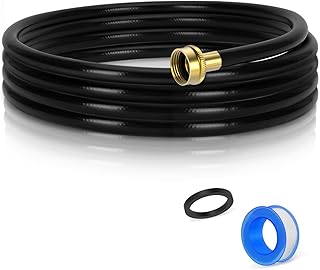
The Dehumidifier Hose with ¾ Inch FHT Connection is a sensible pick for compact rooms and straightforward floor-drain installations. Its shorter, no-kink design is easy to route behind a dehumidifier without leaving a large loop that can catch on boots, storage bins, or cleaning equipment.
5FT Thickened Leakproof Dehumidifier Hose
This 5-foot hose combines a thickened drain tube with a rustproof connector, making it well suited to everyday indoor drainage. It works best where the appliance can sit close to the drain and you want a tidy, uncomplicated installation.
5FT Dehumidifier Hose with Premium Brass Connectors
With premium brass connectors and a compact five-foot length, this hose is a strong fit for laundry rooms, finished basements, and utility closets. It offers a clean solution when the drainage point is nearby and a durable threaded connection matters more than extended reach.
8FT Thickened Leakproof Dehumidifier Hose
The 8-foot version provides extra routing freedom without the excess slack of a much longer hose. It is a practical middle ground for moving water around shelving, a workbench, or patio-adjacent storage while retaining the thickened tubing and rust-resistant connector design.
Frequently Asked Questions
What size drain hose does a dehumidifier use?
Many residential dehumidifiers accept a hose with a 3/4-inch female hose thread, commonly written as 3/4-inch FHT. Models vary, so check the manual or measure the drain-port requirement before purchasing.
How should I position a dehumidifier drain hose?
Run it toward the drain with a steady downward slope and as few bends as possible. Avoid sharp corners, pinched sections, and high loops that can interrupt gravity drainage or leave water sitting in the tube.
Can a dehumidifier hose run into a sink or sump basin?
Usually, yes, provided the hose is securely supported and the outlet cannot slip below the waterline. Leave an air gap where appropriate and follow local plumbing guidance, especially for permanent installations.
How do I prevent leaks at the hose connection?
Thread the connector on straight and tighten it firmly by hand; overtightening can damage threads or seals. Inspect the fitting after the first several hours of operation, then check periodically for moisture, corrosion, or hose movement.
Final Thoughts
For long runs, the 12FT Dehumidifier Drain Hose with Brass Fittings offers useful reach and a robust connector. The 5FT No-Kink Black Hose is better for compact setups, while the 8FT Thickened Leakproof Hose strikes a versatile balance for rooms where the drain is a little farther away.