Key takeaways
- Capacity: Choose a tank that matches your plant area and routine. Smaller rooms may suit 2L models, while dense collections and grow spaces benefit from 4L or larger reservoirs.
- Humidity control: A built-in sensor or humidity probe can regulate output more reliably than running a humidifier continuously. This is especially useful in enclosed growing areas.
- Mist direction: Adjustable nozzles help distribute moisture without soaking leaves, walls, shelving, or nearby upholstery. Keep the unit on a stable, water-resistant surface.
- Cleaning: Look for wide openings, removable parts, and filterless or dishwasher-safe components. Mineral buildup and stagnant water can undermine otherwise good performance.
- Room fit: Match the unit’s size, sound level, runtime, and power needs to the space. A quiet compact model works well beside a plant stand, while a larger unit is better for a dedicated grow zone.
What's inside
Indoor plants often struggle when heated rooms, air-conditioning, and winter drafts pull moisture from the air. Crispy leaf edges, curling foliage, and persistently dry potting mix can be signs that your plants need a steadier environment—not simply more frequent watering. The right humidifier can support tropical houseplants while also making a reading nook, sunroom, or enclosed patio feel more comfortable.
This guide evaluates plant humidifiers from an outdoor-living perspective: how well each model fits a plant corner, greenhouse shelf, grow tent, or sheltered conservatory; how easy it is to refill and clean; and whether its controls suit everyday home use. We also consider noise, coverage, runtime, mist direction, and the practical risk of placing moisture near furniture, floors, and electrical equipment.
As an Amazon Associate we earn from qualifying purchases.




How to Choose a Plant Humidifier (2026)
- Capacity: Choose a tank that matches your plant area and routine. Smaller rooms may suit 2L models, while dense collections and grow spaces benefit from 4L or larger reservoirs.
- Humidity control: A built-in sensor or humidity probe can regulate output more reliably than running a humidifier continuously. This is especially useful in enclosed growing areas.
- Mist direction: Adjustable nozzles help distribute moisture without soaking leaves, walls, shelving, or nearby upholstery. Keep the unit on a stable, water-resistant surface.
- Cleaning: Look for wide openings, removable parts, and filterless or dishwasher-safe components. Mineral buildup and stagnant water can undermine otherwise good performance.
- Room fit: Match the unit’s size, sound level, runtime, and power needs to the space. A quiet compact model works well beside a plant stand, while a larger unit is better for a dedicated grow zone.
The Best Plant Humidifiers (2026) Reviewed
ROSEKM 2.0L Cool Mist Humidifier
The ROSEKM is a practical choice for a modest plant shelf, bedroom collection, or small sunroom. Its compact 2.0L tank, quiet ultrasonic operation, filterless design, 360-degree nozzle, and automatic shut-off keep the setup straightforward, particularly where space is limited. It is best suited to targeted humidity rather than a large conservatory or densely planted grow room.
VIVOSUN AeroStream H05 Smart WiFi Humidifier
Designed with growers in mind, the VIVOSUN AeroStream H05 stands out for its 5L capacity, humidity probe, WiFi connectivity, and VPD-oriented controls. That combination makes it a strong option for a grow tent, propagation area, or plant room where consistent environmental management matters more than having the smallest footprint. Its larger design is less convenient for a casual windowsill setup, but valuable for serious indoor cultivation.
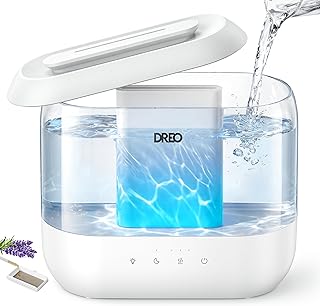
DREO HM311 4L Humidifier
The DREO HM311 balances generous capacity with furniture-friendly everyday operation. Its 4L tank, long stated runtime, quiet 28dB operation, top-fill format, nightlight, and BPA-free construction make it an appealing choice for a bedroom plant collection or large living room. Easy refilling is particularly welcome when the unit sits near a full plant stand and cannot be moved easily.
Levoit NeoClassic 450
Levoit’s NeoClassic 450 is a polished all-rounder for larger rooms containing both people and plants. The 4.2L top-fill reservoir, dishwasher-safe components, quiet 21dB operation, extended runtime, and nightlight support low-maintenance use, while the optional diffuser adds flexibility. Keep essential oils away from sensitive plants unless the manufacturer of the plant and the humidifier specifically supports that use.
8L Large-Room Cool Mist Humidifier
This 8L model is aimed at users who want fewer refills across a sizable bedroom, plant room, or open-plan living area. Its top-fill design, nightlight, essential-oil diffuser, and whole-room positioning give it useful versatility, although the substantial tank requires a sturdy, level surface and careful placement. It is a better fit for a permanent station than for moving between rooms.
Frequently Asked Questions
What humidity level is best for houseplants?
Many tropical houseplants grow well around 50% to 60% relative humidity, although ideal conditions vary by species. Use a separate hygrometer where possible, and avoid creating persistently damp surfaces or stagnant air around foliage.
Should a humidifier sit beside my plants?
Place it close enough to raise local humidity but not so close that mist settles directly on leaves, walls, wood, or fabric. A raised, waterproof tray and gentle air circulation can help prevent moisture damage.
Is cool mist or warm mist better for plants?
Cool mist is generally the simpler choice for plant areas because it is widely available, energy-conscious, and unlikely to add heat to a small growing space. Warm mist can be useful in some rooms, but it needs extra care around children, pets, shelving, and furniture.
How often should a plant humidifier be cleaned?
Empty unused water regularly and follow the manufacturer’s cleaning instructions. In everyday use, frequent rinsing plus regular descaling helps limit mineral deposits, odor, and microbial buildup—especially when using hard water.
Final Thoughts
For compact plant corners, the ROSEKM is a sensible starting point; the DREO HM311 and Levoit NeoClassic 450 offer a stronger balance of capacity, quiet operation, and easy maintenance for larger living spaces. Growers managing a dedicated enclosure should look closely at the VIVOSUN AeroStream H05, whose probe-based controls are better suited to precise environmental routines.