Key takeaways
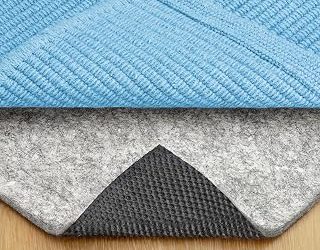
- Backing material: Choose a pad labeled safe for laminate or hard surfaces, and follow the flooring manufacturer’s care guidance. Felt paired with rubber or silicone usually offers a useful balance of cushioning and traction.
- Grip: A pad should prevent sliding without bonding aggressively to the floor. Textured or patterned backings can improve hold, particularly beneath rugs in busy entryways and living areas.
- Thickness: Around 1/4 inch provides noticeable comfort and insulation while remaining manageable beneath furniture and doors. Thicker pads may feel plusher but can create clearance problems.
- Size and trimming: Select a pad slightly smaller than the rug on every side so it stays hidden. Many felt pads can be trimmed with a sharp utility knife for a cleaner fit.
- Cleanliness: Sand, pet hair, and spilled moisture can become trapped underneath a rug. Lift and vacuum periodically, and ensure both the laminate and pad are fully dry before replacing the rug.
What's inside
Rugs can soften a room, but on laminate flooring they may also creep, bunch, trap grit, or leave behind a finish-damaging residue. The right pad needs to hold an area rug steady without creating too much pressure, moisture, or friction beneath it.
This guide compares leading felt, rubber-backed, silicone-backed, and dual-surface options for laminate floors. We focus on grip, cushioning, floor protection, sizing, and everyday practicality so you can choose a pad that suits both your rug and your home.
As an Amazon Associate we earn from qualifying purchases.


How to Choose a/an Rug Pad For Laminate Floor (2026)
- Backing material: Choose a pad labeled safe for laminate or hard surfaces, and follow the flooring manufacturer’s care guidance. Felt paired with rubber or silicone usually offers a useful balance of cushioning and traction.
- Grip: A pad should prevent sliding without bonding aggressively to the floor. Textured or patterned backings can improve hold, particularly beneath rugs in busy entryways and living areas.
- Thickness: Around 1/4 inch provides noticeable comfort and insulation while remaining manageable beneath furniture and doors. Thicker pads may feel plusher but can create clearance problems.
- Size and trimming: Select a pad slightly smaller than the rug on every side so it stays hidden. Many felt pads can be trimmed with a sharp utility knife for a cleaner fit.
- Cleanliness: Sand, pet hair, and spilled moisture can become trapped underneath a rug. Lift and vacuum periodically, and ensure both the laminate and pad are fully dry before replacing the rug.
The Best Rug Pad For Laminate Floor (2026)s Reviewed
RUGPADUSA Dual Surface
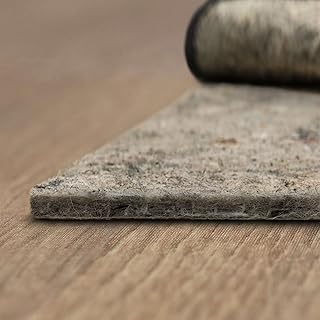
The RUGPADUSA Dual Surface combines a felt top with a non-slip rubber backing, giving laminate-friendly rugs both padding and dependable stability. Its 1/4-inch profile is a practical middle ground for living rooms, bedrooms, and dining spaces, while the 8-by-10-foot size suits many common area rugs.
RUGPADUSA Basics Felt Pad
For shoppers prioritizing floor protection and cushioning over maximum grip, the RUGPADUSA Basics is a straightforward 100% felt option. The generous 9-by-12-foot format works well beneath larger rugs and can be trimmed to size, though rugs in high-traffic areas may need an additional gripping solution if they tend to wander.
Veken Felt and Silicone Rug Gripper
Veken’s pad uses a felt surface and silicone backing with a patterned anti-slip design intended to keep rugs in place. It is a useful choice for households that want soft underfoot cushioning plus extra traction, especially in rooms where chairs, pets, or frequent foot traffic regularly shift a rug.
Mohawk Home Felt Rug Pad
The Mohawk Home Felt Rug Pad delivers cushioning, insulation, and a protective layer between an area rug and laminate flooring. Its felt-only construction is appealing for broad coverage and comfort, but it may perform best beneath heavier rugs or in lower-traffic rooms where sliding is less of a concern.
Jorvila Non-Slip Rug Pad Gripper
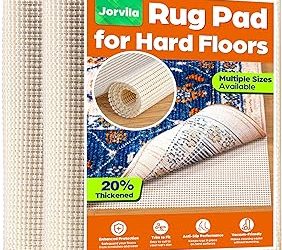
Jorvila’s 8-by-10-foot gripper is designed for shoppers who want a cushioned pad with anti-skid performance. It can be a sensible fit beneath everyday area rugs, although careful sizing and periodic cleaning remain important to prevent exposed edges or trapped debris from marking the floor.
Frequently Asked Questions
Can you use a rug pad on laminate flooring?
Yes, but choose one specifically described as safe for laminate or hard floors. Avoid pads that may contain materials unsuitable for your flooring’s finish, and check the laminate manufacturer’s recommendations before installation.
What type of rug pad is best for laminate floors?
A thin felt pad with a compatible rubber or silicone backing is often the most versatile choice. Felt cushions the floor and rug, while the backing helps limit movement without requiring a bulky underlay.
Should a rug pad be smaller than the rug?
Yes. Aim for a pad roughly 1 to 2 inches smaller on each side, depending on the rug’s border and construction. This keeps the pad concealed and reduces the chance of catching an edge with a shoe or vacuum.
How do I stop a rug from sliding on laminate?
Start with a correctly sized non-slip pad and place it on a clean, dry floor. If movement continues, confirm that the pad is facing the correct direction, smooth out wrinkles, and inspect the rug backing for dust or wear.
Final Thoughts
For the best all-around balance of grip and cushioning, the RUGPADUSA Dual Surface is a strong starting point. Choose the RUGPADUSA Basics Felt Pad for large-area comfort, or the Veken Felt and Silicone Rug Gripper when extra anti-slip traction is the priority.