Key takeaways
- Vinyl compatibility: Choose a pad specifically identified as suitable for vinyl, LVP, or luxury vinyl plank. Avoid unknown rubber blends and PVC-backed materials that may interact with the finish.
- Backing material: Felt and EVA, felt and rubber, or silicone-style patterns can provide traction, but each behaves differently. Check the manufacturer’s flooring guidance before installation.
- Profile: Measure the clearance beneath doors and furniture legs. A 1/8-inch pad is easier to hide in tight spaces, while a 1/4- to 1/2-inch pad offers more cushioning.
- Moisture control: In entries, kitchens, and three-season rooms, select a pad that allows practical cleaning and does not encourage water to remain trapped beneath the rug.
- Fit and trimming: The pad should sit slightly inside the rug’s edges, generally about 1 inch on every side. A neat fit reduces curled corners and keeps the pad from showing.
What's inside
Vinyl plank flooring is built for busy homes, but it is not immune to the wear caused by sliding rugs, grit, trapped moisture, and stiff backing materials. The wrong pad can leave marks, hold dampness against the planks, or let an area rug creep into a hallway or entryway. That matters even more in sunrooms, mudrooms, and other indoor-outdoor transition areas where shoes, sand, and changing humidity are part of daily life.
This guide focuses on rug pads that balance grip, cushioning, ventilation, and finish safety for vinyl plank flooring. We look at low-profile options for doors and furniture, plus thicker pads for larger living-room rugs, so you can match the construction to the room rather than simply choosing the thickest product available.
As an Amazon Associate we earn from qualifying purchases.


How to Choose a Rug Pad For Vinyl Plank Flooring (2026)
- Vinyl compatibility: Choose a pad specifically identified as suitable for vinyl, LVP, or luxury vinyl plank. Avoid unknown rubber blends and PVC-backed materials that may interact with the finish.
- Backing material: Felt and EVA, felt and rubber, or silicone-style patterns can provide traction, but each behaves differently. Check the manufacturer’s flooring guidance before installation.
- Profile: Measure the clearance beneath doors and furniture legs. A 1/8-inch pad is easier to hide in tight spaces, while a 1/4- to 1/2-inch pad offers more cushioning.
- Moisture control: In entries, kitchens, and three-season rooms, select a pad that allows practical cleaning and does not encourage water to remain trapped beneath the rug.
- Fit and trimming: The pad should sit slightly inside the rug’s edges, generally about 1 inch on every side. A neat fit reduces curled corners and keeps the pad from showing.
The Best Rug Pad For Vinyl Plank Flooring (2026) Reviewed
RUGPADUSA Vinyl Lock
RUGPADUSA Vinyl Lock combines felt with EVA in a compact 2-by-3-foot format designed for vinyl and luxury vinyl plank flooring. It is a sensible choice for small runners, accent rugs, and outdoor-living transition points where you want dependable grip without a bulky rise at the edges.
RUGPADUSA Basics Felt Pad
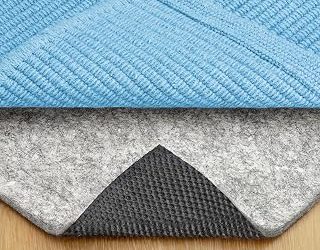
The RUGPADUSA Basics 100% felt pad is the cushioning specialist in this group, with a generous 1/2-inch thickness and a large 7-foot-4-inch by 9-foot-4-inch size. It is best beneath a substantial area rug in a lounge or family room, where softness and floor protection matter more than an ultra-low profile; verify the product’s installation guidance for your vinyl finish.
Felt Rubber Dual Surface Pad
This 3-by-5-foot dual-surface pad pairs felt with rubber and uses a 1/8-inch profile, giving smaller rugs a useful combination of modest cushioning and stability. Its waterproof positioning makes it appealing for practical zones such as a mudroom or covered entry, although the rug and floor should still be kept dry and checked periodically.
RUGPADUSA Dual Surface
RUGPADUSA Dual Surface uses felt and rubber in a low-profile 2-foot-10-inch by 4-foot-10-inch design. The restrained thickness works well where a door swings nearby, while the dual-surface construction adds comfort and helps limit movement under a reading chair, bench, or small dining table.
Veken Cushioned Rug Pad Gripper
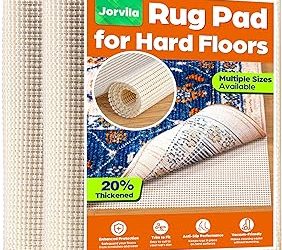
The Veken 8-by-10-foot pad offers a larger coverage area with a 1/4-inch felt construction and a silicone backing pattern. It is a practical pick for broad living-room or sunroom rugs that need more underfoot give, but trim it carefully and inspect the vinyl underneath during routine cleaning to prevent dust or moisture buildup.
Frequently Asked Questions
Can I use any rubber rug pad on vinyl plank flooring?
No. Some rubber or latex formulations may discolor, soften, or otherwise react with certain vinyl finishes over time. Use a pad labeled for vinyl or LVP, follow the flooring manufacturer’s instructions, and test it in a concealed area when possible.
Is felt or rubber better under a vinyl plank rug?
Neither is universally better. Felt generally adds cushioning and can help protect the surface, while a compatible rubber, EVA, or silicone-style backing can improve traction. Dual-surface designs combine those functions, but compatibility remains the deciding factor.
How thick should a rug pad be?
For hallways, entries, and doors, a low-profile pad around 1/8 inch is usually easier to manage. Larger rugs in rooms with ample clearance can benefit from 1/4 inch or more, while very thick pads should be avoided if they create unstable furniture or door clearance problems.
How do I maintain a rug pad on vinyl plank flooring?
Lift the rug and pad periodically, vacuum away grit, and allow both surfaces to dry fully after spills or cleaning. Reposition the pad if it bunches, and inspect for discoloration, residue, or moisture before putting everything back.
Final Thoughts
For a targeted vinyl-flooring solution, RUGPADUSA Vinyl Lock is the most purpose-built choice. The RUGPADUSA Dual Surface suits low-clearance rooms, while the Veken Cushioned Rug Pad Gripper is worth considering when a large rug needs additional softness and broad coverage. Whichever you choose, correct sizing, regular airflow, and vinyl-safe materials are more important than thickness alone.