Key takeaways
- Noise profile: Look for a published decibel rating when available, and favor Peltier designs for sleeping areas or small enclosed spaces where compressor cycling may be noticeable.
- Room size: Match the unit to the space and moisture load, not just the advertised square footage. Damp basements, laundry rooms, and shaded cabins often need more capacity than a dry bedroom.
- Drainage: A removable tank works well for occasional use, while a drain hose is more convenient for basements, vacation homes, and spaces you cannot check every day.
- Controls and safety: Humidity sensors, timers, auto shut-off, overflow protection, and restart functions make unattended operation more practical.
- Placement: Leave clearance around the air intake and exhaust, keep the unit level, and place it near the dampest zone without blocking walkways or exposing it to rain.
What's inside
Best Silent Dehumidifier (2026) — Excess moisture can make a room feel clammy, encourage musty odors, and leave bedding, clothing, and outdoor gear slow to dry. The challenge is finding a unit that manages humidity without adding a distracting mechanical hum to a bedroom, living space, RV, or cabin.
This guide compares quiet dehumidifiers for different spaces and moisture levels, from compact Peltier models for closets and boats to larger basement units with continuous-drain options. We focus on operating noise, room coverage, tank design, controls, energy use, and practical placement around everyday home and outdoor-living areas.
As an Amazon Associate we earn from qualifying purchases.


How to Choose a Silent Dehumidifier (2026)
- Noise profile: Look for a published decibel rating when available, and favor Peltier designs for sleeping areas or small enclosed spaces where compressor cycling may be noticeable.
- Room size: Match the unit to the space and moisture load, not just the advertised square footage. Damp basements, laundry rooms, and shaded cabins often need more capacity than a dry bedroom.
- Drainage: A removable tank works well for occasional use, while a drain hose is more convenient for basements, vacation homes, and spaces you cannot check every day.
- Controls and safety: Humidity sensors, timers, auto shut-off, overflow protection, and restart functions make unattended operation more practical.
- Placement: Leave clearance around the air intake and exhaust, keep the unit level, and place it near the dampest zone without blocking walkways or exposing it to rain.
The Best Silent Dehumidifiers (2026) Reviewed
HOGARLABS 30-Pint Dehumidifier
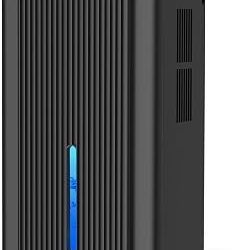
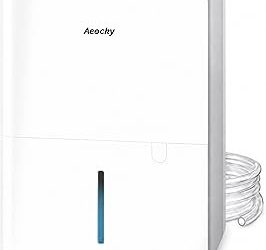
This is a practical choice for basements, bedrooms, and other medium-sized areas where you want stronger moisture removal without a complicated setup. Its three working modes, digital controls, drain hose, overflow protection, and auto shut-off make it well suited to cabins, utility rooms, and homes that may sit unattended for stretches.
KNKA 34-Pint Dehumidifier
The KNKA model brings a larger stated coverage area and a useful blend of automatic humidity control, three modes, a 24-hour timer, and hose drainage. It is a versatile option for a basement, bathroom, or large bedroom, especially when drying damp towels, camping equipment, or laundry is part of the routine.
Eva-Dry EDV-1200
For compact spaces, the Eva-Dry EDV-1200 is the most naturally quiet option in this group, using a 22.5W Peltier system rather than a compressor and listing a 35dB whisper-quiet rating. Its 133-square-foot coverage, 30-ounce tank, and auto shut-off fit closets, bathrooms, bedrooms, RVs, boats, and small gear-storage areas rather than large wet basements.
105-Pint Energy Star Most Efficient Dehumidifier
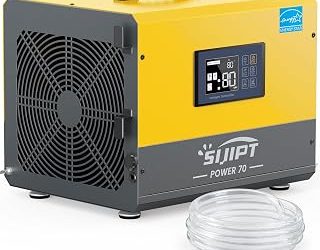
This high-capacity model is designed for demanding moisture conditions, with stated coverage up to 5,500 square feet, an intelligent humidistat, and a drain hose. It is worth considering for expansive basements, large homes, or damp recreational buildings, although buyers prioritizing near-silent nighttime use should confirm the expected operating sound before purchase.
95-Ounce Quiet Dehumidifier with Ambient Light
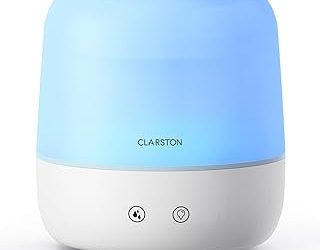
This compact home model combines a 95-ounce tank with auto shut-off and seven-color ambient lighting, making it a decorative fit for bedrooms, living rooms, and smaller basement zones. The lighting can add a relaxed feel around a reading nook or cabin sleeping area, but the modest tank and stated 1,000-square-foot coverage are best treated as suited to lighter moisture conditions.
Frequently Asked Questions
What makes a dehumidifier quiet?
Peltier units generally avoid compressor vibration and can be very unobtrusive in small rooms. Compressor models may remove moisture more efficiently in larger spaces, but their fans and cycling sounds can be more noticeable.
Can a silent dehumidifier run in a bedroom overnight?
Yes, provided the model is rated for the room, placed on a stable level surface, and has adequate clearance. Use a humidity control, timer, or auto shut-off feature, and check the manufacturer’s published noise information rather than relying only on the word “silent.”
Is a drain hose better than an internal water tank?
A tank is convenient when you want portability or only occasional moisture control. A hose is more practical for continuous operation in a basement, cabin, laundry area, or second home, provided the hose slopes consistently toward a suitable drain.
What humidity level should I target?
A general indoor target of about 40–60 percent relative humidity is comfortable for many homes. In cool outdoor-adjacent spaces such as mudrooms, garages, RVs, and cabins, monitor the room with a separate hygrometer and adjust the setting to avoid excessive drying.
Final Thoughts
The Eva-Dry EDV-1200 is the strongest pick for genuinely quiet small-space use, while the HOGARLABS 30-Pint offers a balanced choice for everyday rooms and basements. For extensive moisture problems, the KNKA 34-Pint or 105-pint Energy Star model provides more useful capacity, with drainage and placement determining how convenient either will be in practice.