Key takeaways
- Variable steam control: Non-negotiable for vinyl. You want a low setting for routine passes and a higher burst reserved for a dried-on spot near the door. Fixed-output mops give you one intensity, and on LVP that intensity is often more than the floor needs.
- Grit handling before moisture: Porch and sunroom floors carry abrasive debris. Either sweep thoroughly first or buy a unit that vacuums and steams together, because dragging sand under a hot pad is how vinyl picks up fine scratches.
- Pad quality and quantity: Soft microfiber pads with textured scrub zones lift film without scuffing the wear layer. Look for at least two washable pads in the box so you can swap mid-job instead of smearing dirt around.
- Tank size versus maneuverability: Larger tanks suit open sunrooms and long patio runs; removable tanks let you refill at the sink instead of hauling the whole machine. If your space is broken up by furniture, prioritize a swivel head and low weight.
- Confirm your floor is sealed and glue-down or well-locked: Check the manufacturer’s warranty language first. Some floating click-lock LVP explicitly excludes steam. Glue-down and properly sealed installations tolerate it well when you keep the mop moving.
What's inside
Luxury vinyl plank has quietly taken over the transitional spaces in our homes: the sunroom off the kitchen, the screened porch that doubles as a dining room from April to October, the covered patio with a rug and a sofa on it. It handles humidity, spilled iced tea, and dog paws better than engineered wood ever did. But it also collects a very specific kind of mess. Pollen film in spring. Fine grit tracked in from mulch beds. Dried mud in the seams where the planks meet. A dry mop pushes that around, and a wet mop leaves a haze that shows up the moment afternoon sun rakes across the floor.
Steam is the honest fix here, provided you use it correctly. LVP is waterproof on the surface but not always at the seams or the subfloor, so the goal is a mop that produces enough heat to lift grime and sanitize without flooding the plank edges or sitting in one spot long enough to soften adhesive. This guide covers what actually matters when shopping for LVP in indoor-outdoor spaces, then breaks down five machines worth your money in 2026, from a vacuum-and-steam combo that handles patio grit in one pass to a detachable handheld that will also clean your grill grates.
As an Amazon Associate we earn from qualifying purchases.




How to Choose a Steam Mop For Lvp (2026)
- Variable steam control: Non-negotiable for vinyl. You want a low setting for routine passes and a higher burst reserved for a dried-on spot near the door. Fixed-output mops give you one intensity, and on LVP that intensity is often more than the floor needs.
- Grit handling before moisture: Porch and sunroom floors carry abrasive debris. Either sweep thoroughly first or buy a unit that vacuums and steams together, because dragging sand under a hot pad is how vinyl picks up fine scratches.
- Pad quality and quantity: Soft microfiber pads with textured scrub zones lift film without scuffing the wear layer. Look for at least two washable pads in the box so you can swap mid-job instead of smearing dirt around.
- Tank size versus maneuverability: Larger tanks suit open sunrooms and long patio runs; removable tanks let you refill at the sink instead of hauling the whole machine. If your space is broken up by furniture, prioritize a swivel head and low weight.
- Confirm your floor is sealed and glue-down or well-locked: Check the manufacturer’s warranty language first. Some floating click-lock LVP explicitly excludes steam. Glue-down and properly sealed installations tolerate it well when you keep the mop moving.
The Best Steam Mop For Lvp (2026)s Reviewed
Bissell PowerFresh Vac & Steam 2747A
This is the one I recommend most often for screened porches and sunrooms, because it vacuums loose debris and steams in the same pass, which removes the grit-scratch risk that plagues indoor-outdoor LVP. It runs on water alone, so there is no chemical residue to attract pollen the next day.
Shark Steam & Scrub S8001
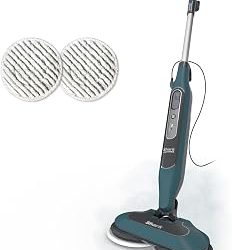
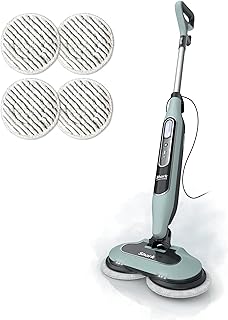
The double-sided rotating pad system does genuine scrubbing work, which pays off on textured LVP where dirt settles into the embossing. LED headlights sound gimmicky until you use it in a west-facing sunroom at dusk and catch the film you would otherwise have missed.
Bissell PowerFresh 1940A
A proven workhorse with three steam levels and a flip-down scrubber for stubborn spots near thresholds. The 12-inch cleaning path covers open floors quickly, and the variable control makes it easy to stay gentle on vinyl.
Shark Steam Mop S1000
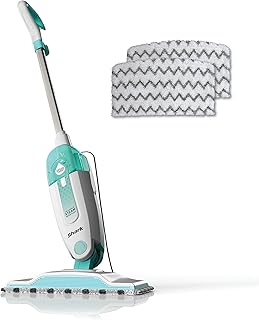
The lightweight pick, and the right call for a small three-season room or a covered patio you clean weekly rather than seasonally. The removable tank makes refills painless, though you give up scrub aggression and extras for that simplicity.
10-in-1 Detachable Handheld Steam Mop
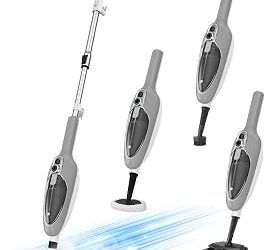
Genuinely useful in outdoor-living spaces because the handheld unit detaches to steam patio furniture cushions, sliding door tracks, and grill grates. The 350ml tank means frequent refills, so treat it as a versatile secondary tool rather than your primary floor mop.
Frequently Asked Questions
Is steam actually safe on luxury vinyl plank?
On sealed, well-installed LVP, yes, when you use a low setting and keep the head moving. The failure mode is standing heat and pooled water at seams. Check your flooring warranty first, since a few floating-floor brands exclude steam outright.
How often should I steam a porch or sunroom floor?
Every two to three weeks during pollen and mud season, monthly otherwise. These spaces load up faster than interior rooms, but over-steaming offers no benefit and adds unnecessary moisture cycles.
Do I need distilled water?
If you have hard water, yes. Mineral scale clogs steam ports and shortens the machine’s life, and descaling a steam mop is far more annoying than buying a jug of distilled water.
Can I use floor cleaner in the tank?
No, unless the manual specifically permits it. Additives foam, clog the boiler, and void warranties. Heat alone handles sanitizing, and it leaves nothing behind for dust to cling to.
Final Thoughts
For most indoor-outdoor LVP, the Bissell PowerFresh Vac & Steam 2747A is the smartest single purchase because it removes debris before moisture ever touches the plank. If you want stronger scrubbing on textured floors, the Shark Steam & Scrub S8001 is the better tool, and the Bissell PowerFresh 1940A remains an excellent value for anyone who simply wants dependable variable steam without the extras.