Key takeaways
- Mineral content: Distilled water is usually the safest all-purpose choice for ultrasonic humidifiers because it contains very few dissolved minerals that can become airborne residue.
- Machine instructions: Check the owner’s manual before filling. Some evaporative models tolerate ordinary tap water, while others recommend distilled or demineralized water for cleaner operation.
- Container size: Small bottles are useful for travel, CPAP chambers, and occasional bedside use; larger containers are more practical when a room humidifier runs every day.
- Storage and freshness: Choose sealed, BPA-free containers and keep opened water away from heat and direct sun. Empty and refresh a humidifier tank regularly rather than topping it off indefinitely.
- Room and furniture protection: Keep mist away from wood, upholstery, electronics, and walls. A hygrometer helps prevent over-humidifying, which can encourage condensation and damp surfaces.
What's inside
Humidifiers seem simple until mineral residue starts coating the tank, furniture, and nearby windows. Hard tap water can leave white dust in the room, shorten a unit’s useful life, and turn routine cleaning into an outdoor-living-style maintenance chore—especially in bedrooms, nurseries, and plant areas where air quality matters.
This guide compares convenient distilled-water options and two humidifiers designed to reduce the problems associated with mineral-heavy water. It focuses on portability, cleanliness, refill habits, runtime, and the needs of different rooms, so you can choose a setup that keeps moisture comfortable without creating a new cleaning project.
As an Amazon Associate we earn from qualifying purchases.




How to Choose Water To Use In Humidifier (2026)
- Mineral content: Distilled water is usually the safest all-purpose choice for ultrasonic humidifiers because it contains very few dissolved minerals that can become airborne residue.
- Machine instructions: Check the owner’s manual before filling. Some evaporative models tolerate ordinary tap water, while others recommend distilled or demineralized water for cleaner operation.
- Container size: Small bottles are useful for travel, CPAP chambers, and occasional bedside use; larger containers are more practical when a room humidifier runs every day.
- Storage and freshness: Choose sealed, BPA-free containers and keep opened water away from heat and direct sun. Empty and refresh a humidifier tank regularly rather than topping it off indefinitely.
- Room and furniture protection: Keep mist away from wood, upholstery, electronics, and walls. A hygrometer helps prevent over-humidifying, which can encourage condensation and damp surfaces.
The Best Water To Use In Humidifier (2026)s Reviewed
Distilled Water 6-Pack for CPAP Machines and Humidifiers
This compact six-pack of 20-ounce travel bottles is a practical choice for bedside humidifiers, CPAP chambers, and overnight stays. The sealed, BPA-free format is easy to pack and portion, while the purified and filtered water is made for users who want to avoid mineral-heavy tap water.
Dura Cleanse Distilled Water Travel Bottles
Dura Cleanse offers another travel-oriented six-pack, with 20-ounce bottles that suit short trips or controlled daily refills. Leakproof, TSA-compliant packaging and compatibility with ResMed and Philips equipment make this a useful option for people moving between home, hotels, and campsites.
American Red Cross CPAP Distilled Water
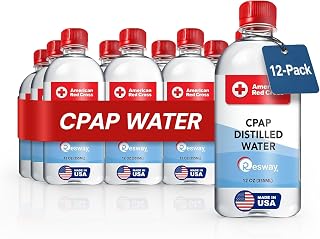
The American Red Cross 12-pack uses 12-ounce bottles, a convenient size when you prefer single-use portions instead of handling a large jug. Although marketed toward CPAP humidifier chambers and sleep equipment, the distilled water format can also suit small personal humidifiers when the appliance manufacturer permits it.
Snugell Distilled Water Travel Bottles
Snugell’s 12-pack provides another portable solution, with 12-ounce bottles designed for clean, measured use. It is particularly appealing for travelers or anyone who wants several ready-to-use refills without carrying bulky containers.
DREO 4L HM311 Humidifier
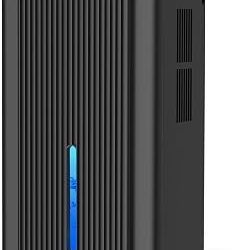
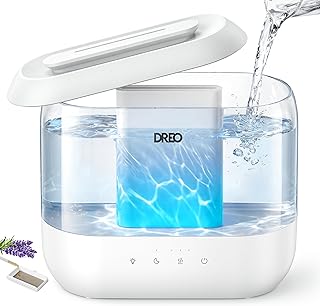
The DREO HM311 is not a water product, but it is a useful pairing for larger rooms where frequent refilling is inconvenient. Its 4-liter tank, quiet operation, long runtime, nightlight, and refill-friendly design make distilled water easier to use consistently in bedrooms, nurseries, plant spaces, and living rooms.
Frequently Asked Questions
Is distilled water best for a humidifier?
For many ultrasonic humidifiers, yes. Distillation removes most dissolved minerals, reducing the chance of white dust and scale. Always give the appliance manual priority, since water recommendations vary by design.
Can I use bottled drinking water in a humidifier?
Usually, bottled drinking water is not the same as distilled water and may still contain minerals. It may work in some evaporative models, but distilled water is generally the cleaner choice for ultrasonic units and small bedroom machines.
How often should I change humidifier water?
Empty standing water daily when practical, wipe the tank regularly, and follow the manufacturer’s cleaning schedule. Fresh water matters more than simply adding new water to an old reservoir.
Should I use distilled water in a CPAP humidifier?
Distilled water is commonly recommended for CPAP humidifier chambers because it helps limit mineral buildup. Use the machine’s instructions as the final authority, and never reuse water left in the chamber.
Final Thoughts
For portable, measured refills, the Dura Cleanse and American Red Cross bottles are strong choices, while the larger Distilled Water 6-Pack suits repeated bedside or CPAP use. If you want a complete room setup, pair distilled water with the quiet DREO HM311; its generous tank makes consistent, low-mess humidification easier to manage.