Key takeaways
- Deal with mud only after it has dried; brush or vacuum it away instead of spreading it while wet.
- Use white cloths for testing and blotting so you can spot dye transfer immediately.
- Never use chlorine bleach, strong alkaline cleaners, hot water, or a steam cleaner unless the rug maker specifically approves them.
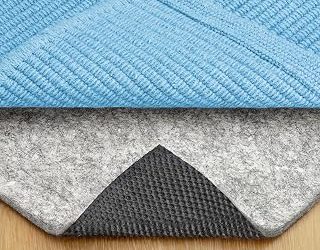
- Keep furniture off a damp rug until it is completely dry, and use a breathable rug pad to improve airflow and reduce sliding.
What's inside
A wool rug can handle years of muddy boots, camp gear, pets, and everyday traffic, but it rewards a gentler cleaning strategy than synthetic carpet. Wool fibers naturally resist soil and odors, while their protective oils and textured surface can be damaged by hot water, aggressive brushing, or over-wetting. The safest approach is usually to remove dry grit first, treat small marks carefully, and let the rug dry completely with plenty of airflow.
This guide explains how to clean a wool rug at home, when to use a dry-cleaning powder or wool wash, and which tools make the work easier. You’ll also find practical advice for sheepskin rugs, outdoor-entry messes, stubborn stains, and situations where professional cleaning is the better choice.
As an Amazon Associate we earn from qualifying purchases.



1. Check the rug before cleaning
Start by reading the care label and identifying the rug’s construction. A flat-weave wool rug, hand-knotted rug, tufted rug, and sheepskin should not all be treated identically. Look for signs of a delicate backing, glued sections, loose fringe, dye transfer, or previous water damage.
Test any cleaner on a concealed corner first. Apply a small amount, wait until it dries, and check for color change, stiffness, fuzzing, or a visible ring. If the rug is antique, valuable, heavily soiled, or marked “dry clean only,” contact a rug specialist rather than experimenting with household products.
2. Remove grit while the rug is dry
Outdoor dirt is often more damaging when it remains trapped than when it is gently removed. Take a portable rug outside on a dry day and shake it lightly, or hang it over a broad rail and tap the reverse side with your hand. Avoid beating an older rug forcefully; brittle fibers and weakened knots can suffer under impact.
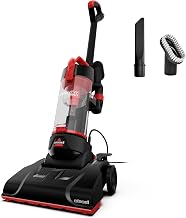
Vacuum both sides using suction without a rotating brush whenever possible. A beater bar can pull at loops, fringe, and raised wool fibers. Work slowly in the direction of the pile, then vacuum the floor beneath the rug before returning it. This dry stage removes much of the sand and grit that would otherwise turn into abrasive paste during washing.
3. Choose a low-moisture cleaning method
For light overall soil, a dry rug powder can be a useful first step. Capture Carpet & Rug Dry Cleaner Carpet Deodorizer & Freshener Powder is designed to be worked into carpet and vacuumed away, making it a lower-moisture option for some wool rugs. Follow its label, use a small test area, and vacuum thoroughly; powder left behind can attract more dirt.
For a localized mark, blot rather than scrub. Use a clean white cloth and a small amount of cool water or a wool-safe, pH-neutral wash such as Outback Gold Wool Wash. Its unscented, plant-based, enzyme-free formula is intended for wool, cashmere, silk, sheepskin, and other delicate items. Dilute and apply only as directed, keeping the treated area as small as possible.
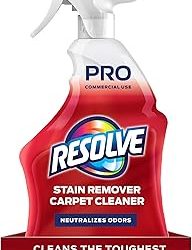
Carpet foams such as Bissell Woolite Advantage Heavy Traffic Carpet Foam or BISSELL Woolite Advantage Carpet & Upholstery Cleaner may be convenient for compatible rugs, but the product name alone is not a guarantee that every wool construction is suitable. Check the rug label and cleaner instructions, then patch-test first. Never saturate the backing.
4. Treat sheepskin differently
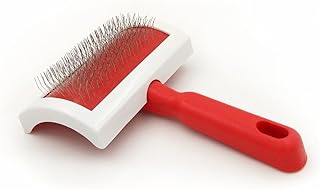
Sheepskin has a wool fleece on one side and a leather pelt on the other. Excess water, heat, and harsh agitation can make the hide stiff or misshapen. For routine care, shake the rug outdoors, vacuum gently through the fleece, and lift surface debris with a purpose-built brush.
A Sheepskin Cleaning Brush for Rugs & Throws by CleanSheep or the MetU Sheepskin Rug Brush can help separate matted fibers without the aggressive action of a household scrub brush. Brush in short, gentle passes, especially around worn areas. For a full wash, use a cleaner specifically labeled for sheepskin and follow the manufacturer’s drying instructions; professional cleaning is often safest for a large or valuable hide.
5. Blot, rinse sparingly, and dry with airflow
When treating a spill, place an absorbent towel beneath or beside the affected area if the rug’s construction allows it. Blot from the outside of the mark toward the center to prevent spreading. Do not rub, twist, or pour cleaner directly onto the rug.
If the cleaner requires removal, use a barely damp cloth to lift residue rather than rinsing the entire rug. Press with dry towels until no more moisture transfers. Lay the rug flat in a shaded, ventilated location, preferably with air moving above and below it. Rotate it as it dries, and do not place it over a sharp line or leave it in strong sunlight, which can distort the shape or fade dyes.
Tips
- Deal with mud only after it has dried; brush or vacuum it away instead of spreading it while wet.
- Use white cloths for testing and blotting so you can spot dye transfer immediately.
- Never use chlorine bleach, strong alkaline cleaners, hot water, or a steam cleaner unless the rug maker specifically approves them.
- Keep furniture off a damp rug until it is completely dry, and use a breathable rug pad to improve airflow and reduce sliding.
Frequently Asked Questions
Can I wash a wool rug with a carpet cleaner?
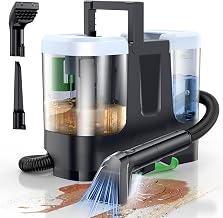
Usually not without checking both the rug and machine instructions. Many carpet machines use substantial water and suction, which can shrink wool, distort the backing, or leave moisture trapped inside. A low-moisture, wool-approved method is generally safer for routine home care.
How do I remove a fresh spill from wool?
Lift solids with a spoon or blunt edge, then blot liquid immediately with a dry white towel. Work from the outside inward and use only a small amount of cool water or an approved wool wash if needed. If color continues transferring or the spill contains oil, wine, dye, or a biological stain, seek professional advice.
Why does my wool rug smell after cleaning?
A temporary natural wool odor can become more noticeable when fibers are damp. Persistent odor usually indicates slow drying, cleaner residue, or moisture in the backing. Increase ventilation, dry the rug fully, and avoid masking the smell with fragranced products until you know the rug is moisture-free.
How often should a wool rug be cleaned?
Vacuuming and prompt spot treatment are more important than frequent washing. In an entryway or cabin exposed to outdoor grit, vacuum weekly or more often during wet seasons. Consider a deeper clean when the rug looks uniformly dull, feels gritty, or retains odor after thorough dry vacuuming.
Conclusion
The best way to clean a wool rug is controlled, low-moisture care: remove grit dry, test products, blot small stains, and dry slowly with strong airflow. Wool-safe washes, dry-cleaning powders, and gentle sheepskin brushes can be useful additions, but no cleaner replaces a patch test and careful handling. When the rug is valuable, structurally fragile, or heavily soiled, a professional rug cleaner is the most economical way to protect it for the long term.