Key takeaways
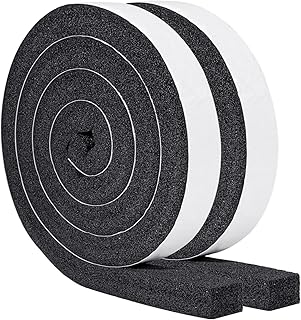
- Gaps up to about 1 inch: a compressible foam strip is the workhorse. A 1×1-inch high-density foam tape, or the Yotache 1″x1″ seal kit with its 13 feet of high-resilience stripping, compresses into irregular openings and springs back rather than flattening permanently.
- Thin seams and joints: use a proper weather sealing tape. Something in the 20-mil range like the SWRT 3-inch tape spans the sash-rail gap in one pass and is formulated to peel off without leaving adhesive behind.
- The side panels themselves: factory accordion panels are the weakest part of any install. Rigid insulated side panels — the 17 x 9 x 1-inch two-pack style — replace or back them with real thermal mass.
- Portable AC hoses: a zippered window kit such as the HOOMEE 197-inch universal seal handles what foam tape can’t.
What's inside
A window air conditioner is only as good as the seal around it. Cool air is expensive to make and remarkably eager to escape, and a unit installed with nothing but the factory accordion panels and a prayer will leak conditioned air outward while pulling humid summer air, road noise, dust, and the occasional wasp inward. Working across patios, three-season rooms, and sunroom conversions, the pattern is consistent: the households that complain their window unit “can’t keep up” almost always have a sealing problem rather than a capacity problem. Air moving through a half-inch gap does not care how many BTUs the compressor produces.
This guide walks through how to seal a window AC properly for the 2026 season — where the leaks actually occur, which materials belong in which gap, how to handle the side panels that ship with most units, and what changes if you’re working with a portable AC hose instead of a through-the-window box. You’ll also find guidance on choosing foam thickness, keeping the seal reversible so you don’t damage sashes or paint, and knowing when it’s time to stop patching and reinstall from scratch.
As an Amazon Associate we earn from qualifying purchases.




Find Every Gap Before You Buy Materials
Do a survey first. With the unit running, run the back of your hand slowly around the whole perimeter — under the lower sash, along both side panels, where the upper sash meets the lower sash rail, and across the top of the cabinet. Then check from outside. The four leak points that show up most often are the accordion panel pleats (they’re vented plastic, not insulation), the gap between the two sash rails where the raised window now sits, the seam where the unit’s chassis meets the sill, and the corners where the side panels meet the frame. On a bright day, kill the interior lights and look for daylight. Write the gaps down with rough measurements; that’s your shopping list.
Match the Material to the Gap Size
Different gaps want different products, and using the wrong one is why seals fail by August.
- Gaps up to about 1 inch: a compressible foam strip is the workhorse. A 1×1-inch high-density foam tape, or the Yotache 1″x1″ seal kit with its 13 feet of high-resilience stripping, compresses into irregular openings and springs back rather than flattening permanently.
- Thin seams and joints: use a proper weather sealing tape. Something in the 20-mil range like the SWRT 3-inch tape spans the sash-rail gap in one pass and is formulated to peel off without leaving adhesive behind.
- The side panels themselves: factory accordion panels are the weakest part of any install. Rigid insulated side panels — the 17 x 9 x 1-inch two-pack style — replace or back them with real thermal mass.
- Portable AC hoses: a zippered window kit such as the HOOMEE 197-inch universal seal handles what foam tape can’t.
Seal in the Right Order
Sequence matters. Start with the unit correctly seated and pitched slightly outward for drainage — roughly a quarter-inch of slope so condensate leaves the building. Confirm the mounting brackets are tight, because sealing a unit that later shifts means redoing everything. Next, install rigid side panels, since they define the geometry the rest of the seal follows. Then apply foam tape to the perimeter of the chassis and along the sill contact line. Finish with weather sealing tape across the sash-rail gap, which is the single largest leak on most installations and the one homeowners skip most. Sealing outward-in like this means each layer supports the next rather than fighting it.
Consider the Unit Itself
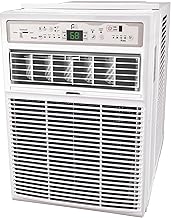
Some window ACs seal more easily than others. A squared cabinet with a clean flange and predictable side-panel channels — the BLACK+DECKER 12,000 BTU BWAC12WTB is a fair example, rated for roughly 550 square feet — gives you flat surfaces to work against. Sloped or heavily contoured cabinets force you to bridge curves with foam, which is doable but never as tidy. If you’re buying new this season and know you’ll be sealing carefully, look at the cabinet’s geometry, not just the BTU number. And size honestly: an oversized unit short-cycles, never dehumidifies properly, and leaves a room clammy no matter how good the seal is.
Keep It Reversible and Inspectable
Anything you install should come out cleanly in October. That means residue-free tapes, foam held with removable adhesive rather than caulk, and no expanding spray foam around a seasonal appliance — it bonds to painted wood, tears finish when removed, and traps moisture against the sill. Plan to inspect the seal mid-season. Adhesives relax in heat, foam takes a compression set, and a strip that sat perfectly in June may have a visible channel by August.
Tips
- Clean and fully dry every surface with isopropyl alcohol before applying adhesive foam or tape — dust is the number-one cause of premature peeling.
- Cut foam strips slightly long and compress them into place rather than butting them end to end; joints are where air finds a path.
- Add a simple sash lock or security bracket above the unit. A well-sealed window is still a window someone can lift.
- Photograph your finished install before removing it in autumn. Next spring’s reinstall takes fifteen minutes instead of an hour.
Frequently Asked Questions
Can I just use the panels that came with my AC?
They’re a starting point, not a seal. Factory accordion panels are thin, vented plastic meant to fill space, and they conduct heat readily. Back them with rigid insulated panels or foam and you’ll notice the difference in both cooling and street noise.
What thickness of foam tape should I get?
Measure your largest gap and buy foam that’s slightly thicker, since it needs to compress to hold. A 1×1-inch profile handles most window AC gaps. For anything narrower than a quarter inch, use a flat weather sealing tape instead — thick foam won’t seat properly in a tight seam.
Will sealing my AC cause moisture problems?
Not if the unit is pitched outward so condensate drains outside, and you leave the drain path clear. Problems arise when people seal the drainage channel along with everything else. Trace where water exits before you tape anything near the base.
Does any of this work for a portable AC?
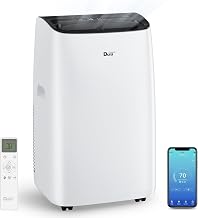
The principle is the same but the hardware is different. Portable units need a zippered window kit that closes around the exhaust hose, like the HOOMEE universal seal. Foam tape then handles the residual gaps where the kit meets the frame.
Conclusion
Sealing a window air conditioner well is an hour of careful work that pays back every day of the season in lower run time, quieter rooms, and air that actually feels dry. Survey your gaps first, match foam and tape to what you find, work from the side panels inward, and keep everything removable so autumn takeover is painless. Get the seal right and a modestly sized unit will outperform an oversized one installed carelessly.