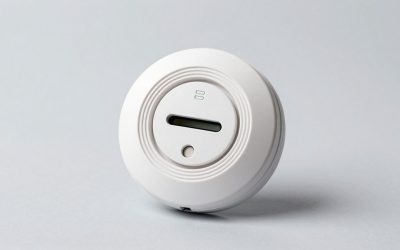
Our Top Picks
The best water leak detector for a basement or water heater is a battery-powered sensor with a loud, adjustable alarm, an IP67 waterproof body and app alerts that reach your phone when you are away. For a finished basement and a tank in a utility closet, that means a Wi-Fi sensor you can place flat on the floor, or a longer-range hub kit that reaches a far corner of the house. The seven picks below cover both styles, with notes on alarm loudness, smart alerts, sensor cable length and battery life taken from the listings.
Key takeaways
- Put a sensor at the lowest point near the water heater, the sump or floor drain, the washing machine and under each sink; one sensor per risk spot beats one sensor per floor.
- Wi-Fi sensors are simple but depend on a strong 2.4 GHz signal; hub and long-range kits are better for a concrete basement far from the router.
- A 100 dB alarm is a sensible minimum for a basement; adjustable alarms let you quiet nuisance sounds near bedrooms.
- A cable probe lets the sensor body sit on a shelf while the probe lies flat under the tank or in a drip pan.
- Replace batteries on the schedule in the manual and press the self-check button after every replacement; a sensor with a dead battery protects nothing.
Water leak detector comparison at a glance
| Pick | Connection | Alarm | Battery per listing | Notable |
|---|---|---|---|---|
| YoLink Water Leak Sensor 4 Kit | LoRa hub, app, IFTTT | 105 dB | Up to 5 years | Up to 2,034 ft range, leak and freeze alerts, IP67 |
| GoveeLife Smart Water Leak Detector 1s | Wi-Fi, SMS, email, app | High alarm | 5 years | 1,804 ft range stated, IP67 |
| SwitchBot WiFi Water Sensor | Wi-Fi 2.4 GHz, no hub | 100 dB adjustable | Check listing | IP67, app alerts |
| SwitchBot WiFi Water Leak Detector with 1 m cable | Wi-Fi, no hub | 100 dB | Check listing | 1 m cable probe, app and email alerts |
| Resideo CHW3610W8001 WiFi Water Leak Detector | Wi-Fi | Check listing | Check listing | Leak and freeze detection, for basement, bathroom, under sink |
| TECKNET Wi-Fi Water Leak Detector Kit | Gateway, 2.4 GHz Wi-Fi | 120 dB | Batteries included | 5 sensors and 1 gateway |
| RUIKORING 5 Pack Water Leak Alarm | Standalone, no app | 0-120 dB adjustable | Up to 5 years | IP67, dual probes |
How we chose these water leak detectors
We did not personally use any of these devices. This list is research-based: we compared current product listings and maker pages for alarm loudness, connectivity, sensor cable length and stated battery life, then grouped them by how they suit a basement or a water heater. We favored sensors that are waterproof, run on replaceable batteries and either send phone alerts or sound a loud local alarm. We skipped plumbing-integrated shutoff valves, which are a different product category that usually needs a plumber.

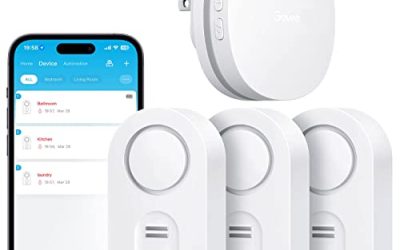
GoveeLife Upgraded Smart Water Leak Detector 1s with High Alarm, 5 Pack | 1804ft Ultra-Long Range, WiFi Water Sensor with SMS/Email/APP Push, 5Yr Battery Life,IP67, Suit for Home, Basement, Kitchen
Chosen because it specifies 5 Pack and 1804ft Ultra-Long Range.
View on Amazon
GoveeLife Smart Water Leak Detector 2 with 1968ft Ultra-Long Range, 6 Pack | WiFi Water Sensor with SMS/Email/APP Push and Sound Alarm, 5-Year Battery Life, IP66, Suitable for Home, Basement, Kitchen
Chosen because it specifies 6 Pack and WiFi Water Sensor with SMS/Email/APP Push and Sound Alarm.
View on Amazon
GoveeLife Upgraded Water Leak Detector with 105dB Adjustable Alarm, 5 Pack | Dual probes detect leaks, 5Yr Battery Life, IP67, Suit for Home, Basement, and Kitchen, Cannot Connect to WiFi Directly
Chosen because it specifies 5 Pack and Dual probes detect leaks.
View on Amazon
GoveeLife Water Leak Detectors with Leak and Drip Alerts, 5 Pack | 100dB Adjustable Audio Alarm, 5-Year Battery Life, IP66, Detector for Home, Bedrooms, Basement, Warehouse, Cabin/RV
Chosen because it specifies 5 Pack and 100dB Adjustable Audio Alarm.
View on AmazonSpecs here come from the listing text, so check the maker page for the exact alarm volume, battery type and app features before you buy. We say so wherever a listing did not state a number.
1. YoLink Water Leak Sensor 4 Kit: Best for large or concrete basements
- 105 dB alarm per the listing title
- Hub plus sensors; the 6-pack and 3-pack kits are listed
- LoRa-based protocol with a stated range up to 2,034 feet in open conditions
- Leak and freeze alerts through the mobile app
- IP67 rated and works with IFTTT; battery life up to 5 years per the listing
Best for: a big basement, a detached garage, or a home where Wi-Fi does not reach the utility room.
Skip if: you only need one sensor and do not want a hub on the shelf.
Pros: long range; loud alarm; freeze alert is useful near an unheated water heater closet; IP67 body; multi-pack kits cover several spots. Cons: needs a hub plugged into power and your router; more setup than a stand-alone Wi-Fi sensor; the range number is a best case, so concrete walls reduce it.
2. GoveeLife Smart Water Leak Detector 1s: Best value multi-pack for Wi-Fi homes
- Sold in 2, 3, 4, 5 and 6 packs per the listings
- Wi-Fi sensor with SMS, email and app push alerts
- 1,804-foot long range stated by the maker
- 5-year battery life stated and IP67 body
- Marketed for homes, basements and kitchens
Best for: homeowners who want one kit that covers the water heater, the washer, the sump area and a bathroom.
Skip if: your router sits far from the basement and the signal is weak; check the setup guide for the supported band.
Pros: multiple alert channels including SMS and email; multi-pack options; high alarm; long stated battery life. Cons: the best-case range figure may not apply in a finished basement; some models need a gateway, so read the listing for the version you choose.
3. SwitchBot WiFi Water Sensor: Best no-hub single sensor
- 100 dB adjustable alert and app alerts
- IP67 waterproof wireless detector
- No hub required; supports 2.4 GHz Wi-Fi only
- Intended for kitchen, bathroom and basement use
- The 3-pack listing mentions detecting 0.5 mm leaks, drips and water levels, and a 2-year battery
Best for: renters or first-time buyers who want a sensor under the water heater with minimal setup.
Skip if: your home Wi-Fi is on 5 GHz only; this sensor needs 2.4 GHz.
Pros: no hub; adjustable alarm; quick pairing through an app; sold singly and in packs. Cons: relies on a stable Wi-Fi signal; battery is a shorter span than 5-year hub systems.
4. SwitchBot WiFi Water Leak Detector with 1 m cable: Best for drip pans and tight spots
- 1 meter cable probe per the listing
- No hub; 100 dB water alarm
- App and email alerts
- Designed for a sensor body that sits on a shelf or wall while the probe lies on the floor
Best for: the water heater drip pan, a washing machine drain pan or a space behind a toilet.
Skip if: you want a flat puck you can drop anywhere; a cable can be a trip risk in a walkway.
Pros: the cable puts the sensing tip exactly at the leak point; the body can be mounted above flood level. Cons: a cable is one more thing to tuck away; check the maker page for the cable material and the probe design.
5. Resideo CHW3610W8001 WiFi Water Leak Detector: Best for freeze and leak combined
- Wi-Fi water leak detector with freeze alerts
- Listed for use in basement, bathroom and under sinks
- From Resideo, a company known for thermostats and safety devices
- Battery life and alarm volume are not stated in the short listing text, so check the maker page
Best for: a home in a cold climate where a water heater closet or unfinished basement can drop below freezing.
Skip if: you want a multi-pack kit; this listing is for a single device.
Pros: combines leak and freeze alerts; a brand with an established app ecosystem. Cons: one unit means you will buy more for other spots; confirm the alarm loudness on the maker page.
6. TECKNET Wi-Fi Water Leak Detector Kit: Best loud kit with a gateway
- 120 dB sound alarm per the listing
- 5 sensors and 1 gateway in the kit
- Batteries included
- 2.4 GHz Wi-Fi only
- App push and sound alarm for kitchen and basement
Best for: a household that wants one purchase to cover the water heater, sump area, washer, dishwasher and an upstairs bathroom.
Skip if: a 120 dB alarm is too loud for a thin-walled apartment; check whether the volume is adjustable.
Pros: five sensors and a gateway in one box; loudest rating among the group; batteries included. Cons: the gateway needs a power outlet; confirm the battery type and replacement schedule.
7. RUIKORING 5 Pack Water Leak Alarm Detector: Best no-app local alarm
- 5-pack of standalone sensors
- Adjustable 0 to 120 dB alarm
- IP67 rated and a 5-year battery life stated
- Dual probes for leak and drip sensing
- Intended for kitchen, basement, sink and laundry
Best for: people who are home most of the time, want zero app setup and are fine with a loud local alarm.
Skip if: you travel and need phone alerts; this style only sounds locally.
Pros: no Wi-Fi dependence; adjustable volume; five sensors; long stated battery life. Cons: no remote notification; an alarm in an empty house helps nobody.
Also consider
- STECHRO 5 Pack Water Leak Detectors: 4 adjustable audio levels up to 120 dB; a local-alarm option comparable to the RUIKORING.
- METAK 5 Pack Water Leak Detectors: 100 dB alarm for basements and pipes; a basic standalone alarm pack.
- BSEED WiFi Water Leak Detector: smart sensor with a cable and 85 dB audio plus app, SMS and email alerts; quieter than the others, so best for placement near living space.
- YoLink Water Leak Sensor 1 Kit (4-pack plus hub): an earlier generation in the same ecosystem, with alerts by app, email and SMS and a stated battery life of up to 5 years.
Where to place a water leak detector for a basement and water heater
The point of a sensor is to be wet before anything else is. In a basement, water travels to the lowest spot and along the edges of the slab, so place sensors flat on the floor in these places:
- Beside the water heater: in the drip pan or about 1 to 2 inches from the base on the side with the drain valve and the pressure-relief discharge pipe.
- Near the sump pit or floor drain: if water backs up, this is where it appears first.
- Behind or beside the washing machine: put it near the supply hoses and the drain connection.
- At the base of the main shutoff and pressure tank: if you have a well, put one under the tank.
- Below the lowest window well or exterior wall: groundwater seepage often appears at the slab edge.
- Under any basement bathroom sink or toilet: small drips can rot cabinetry long before you notice.
Keep sensors off the carpet pile if possible, use the manufacturer’s stand if provided, and verify the contacts face down. Read the owner’s manual for your water heater; some tanks have specific clearance and drain pan guidance.
Water leak detector buying guide
Alarm loudness and where it matters
Alarm loudness is measured in decibels at a stated distance, and the number on a listing is a best-case figure. In a concrete basement, a 100 dB alarm is usually audible upstairs when doors are open, but it can be muffled when doors are closed. If you need to hear it from a bedroom, add smart alerts or choose a model with a louder rating. Adjustable alarms such as the RUIKORING and SwitchBot let you reduce volume near bedrooms.
Smart alerts: Wi-Fi, hub or local only
| Type | Pros | Cons | Choose it if |
|---|---|---|---|
| Wi-Fi, no hub | Simple setup; alerts on phone | Needs 2.4 GHz signal; shorter battery | Wi-Fi reaches the utility area |
| Hub or gateway with sensors | Better range; many sensors; longer battery | Needs a power outlet and router link | Large home, concrete walls, multiple spots |
| Local alarm only | No setup; no subscription; works in an outage | No alerts when you are away | You are home most days and want a backup |
Sensor cable length
A cable probe lets you place the sensing tip in a drip pan or beside a drain while the body sits above the floor. A 1 meter cable, as stated for one SwitchBot listing, is long enough for most drip pans and under-sink cabinets. For a long run along a slab edge, choose a model with a longer probe cable or use several sensors.
Battery life and replacement
Listings often state battery life of 2 to 5 years under typical conditions. Cold basements, frequent alarms and strong Wi-Fi usage shorten that. Put a reminder in your calendar and keep spare batteries. After each change, trigger the self-check function or place the probe in a cup of water to confirm the alarm sounds. Follow the manual for the correct approach.
Waterproof rating
IP67 means the housing resists dust and short immersion, which is helpful when a sensor ends up in an inch of water. Look for this rating on any sensor that will sit on a basement floor.
Freeze alerts
If the water heater is in an unheated space, a freeze alert can warn you before pipes burst. The YoLink and Resideo listings both mention freeze alerts; check the maker page for the temperature threshold.
What a sensor will not do
A sensor tells you water has reached it; it does not stop the flow. For a large tank, think about a shutoff valve installed by a plumber, a drain pan with a drain line and annual tank inspection. For flooding risk, ask your insurer what they recommend. Always follow your water heater’s owner’s manual for safety guidance.
Water heater leak checklist
- Look at the tank base and the pressure-relief discharge pipe monthly.
- Check the drain valve and supply connections for drips or mineral crust.
- Note the age of the tank; storage tank water heaters are commonly expected to last roughly 10 to 15 years, so ask a plumber about replacement planning as the tank ages and check the manual for inspection steps, such as testing the temperature and pressure relief valve.
- Keep the area clear and dry so you can spot small puddles.
- If you see water pooling, turn off the water supply and power or gas to the heater following the manual and call a qualified plumber.
How to set up a water leak detector, step by step
- Map the risks. Walk the basement and list every spot where a supply line, drain, tank or appliance meets the floor. Rank them by damage potential: the water heater and washing machine come first, then the sump, then sinks.
- Check your signal. For a Wi-Fi sensor, stand at the planned spot with a phone and confirm the 2.4 GHz network shows a usable signal. If it does not, plan for a hub kit or a range extender.
- Pair before you place. Set up each sensor on the workbench so you can confirm the app, account and notifications work. Name each sensor by location, such as “Water heater” or “Sump”, so an alert tells you where to run.
- Place flat and level. Put the probes on the floor, not on a mat, and clear dust or debris from the contacts.
- Run a deliberate check. Touch the probes with a damp paper towel and confirm the alarm sounds and the phone notification arrives. Dry the sensor afterward and reset it according to the manual.
- Set notification rules. Turn on push alerts, and add a second person to the alert list so someone responds if you are away.
- Schedule maintenance. Add a calendar reminder every 6 months to check each sensor and every 2 years to replace batteries unless the manual says otherwise.
Water leak detector decision matrix
| Your situation | Best match | Why |
|---|---|---|
| Large basement or detached garage | YoLink Water Leak Sensor 4 Kit | Long-range hub system with freeze alerts |
| Several spots, Wi-Fi works downstairs | GoveeLife 1s multi-pack | Multi-pack, SMS and email alerts |
| One tank, minimal setup | SwitchBot WiFi Water Sensor | No hub, quick pairing |
| Drip pan or tight cabinet | SwitchBot with 1 m cable | Cable probe reaches the exact spot |
| Unheated utility closet | Resideo CHW3610W8001 | Freeze plus leak alerts |
| Want loudest alarm in a kit | TECKNET kit | 120 dB, 5 sensors, gateway |
| Home most days, no apps | RUIKORING 5 Pack | Adjustable local alarm |
Common mistakes when installing a water leak detector
- Placing the sensor on a shelf. Water must reach the probes, so the sensor needs to be on the floor or on a probe cable.
- Relying on one sensor for the whole basement. A single sensor only protects the square foot where it sits.
- Ignoring the Wi-Fi band. Several sensors support only 2.4 GHz; pairing fails if you try to join a 5 GHz network.
- Forgetting that smart alerts need power. If your router loses power in a storm, a Wi-Fi sensor cannot send a phone alert, which is why a loud local alarm still matters.
- Skipping the post-install check. A sensor that never sounded in a trial is a sensor you cannot trust.
- Leaving the notification off. Some phones silence apps in power-saving mode; confirm alerts are allowed to bypass quiet hours for this app.
Basement water sources that sensors catch, and ones they miss
A basement can get water from several directions, and each one has a different warning sign. A sensor placed at the right low point catches most of them.
- Supply line or fitting failure: usually appears near the water heater, washer hookups or pipe joints. A sensor on the floor beside them reacts quickly.
- Tank leak: water appears at the base of the heater. A sensor in the drip pan catches it, while a probe cable makes it easier to reach into the pan.
- Sump failure or backup: water rises in the pit and spreads along the floor. Put one sensor in the pit shelf and one on the slab nearby.
- Groundwater seepage: often shows along the base of walls after heavy rain. A line of sensors along the lowest wall helps.
- Sewer backup through a floor drain: a sensor next to the drain gives an early warning, though you should call a plumber if you see any backflow.
- Condensation or humidity: not a leak, and a sensor will not catch it. Use a separate humidity monitor if damp air is your concern.
Sensors do not replace routine maintenance. Look at hoses, clamps and the tank each season, and follow the manual for any inspection or flushing your water heater requires.
Frequently asked questions
How many water leak detectors do I need in a basement?
A common starting point is one at the water heater, one at the sump or floor drain, one at the washing machine and one under any sink. Add more for each bathroom or utility sink.
Do water leak detectors work without Wi-Fi?
Yes. Local alarm models sound a siren without a network, and hub systems use their own radio. Wi-Fi models need a signal for phone alerts.
How loud should a water leak detector be?
A 100 dB rating is a good baseline for a basement. Go louder or add phone alerts if the sensor is far from where you sleep.
How long do the batteries last?
Listings state 2 to 5 years under typical use. Cold air and frequent alarms reduce that, so check the app or the manual for low-battery warnings.
Can a sensor detect a slow drip?
Many sensors detect a small amount of water when it reaches the probes. A cable probe lets you place the contact exactly where a drip lands.
Will a sensor shut off the water?
No. A standard sensor only alerts. A shutoff valve is a separate device that often requires professional installation.
Where should I not place a sensor?
Avoid spots where condensation or a damp floor will trigger false alarms, and keep sensors away from heat sources and direct sunlight.
Which water leak detector should you buy?
Choose the YoLink Water Leak Sensor 4 Kit for a large or concrete basement, the GoveeLife 1s multi-pack for a Wi-Fi home with several risk spots, and the SwitchBot WiFi Water Sensor for a single hub-free sensor under the water heater. Pick the SwitchBot with the 1 m cable for a drip pan, the Resideo for freeze and leak coverage, the TECKNET kit for the loudest alarm in a kit, and the RUIKORING pack for local alarms without an app. Whatever you pick, place sensors at the lowest points, check the alarm after you install it and replace the batteries on schedule.
Sources
- YoLink product listings and maker page
- GoveeLife product listings
- SwitchBot product listings
- Resideo product listing
- TECKNET product listing
Last updated: November 2026
More from Amazon
Programs that pair well with the guide above. Offers and eligibility are set by Amazon and may change.
Collect the home and kitchen items you want in one registry that guests can shop from.
Create a wedding registrySet up recurring deliveries of everyday items on eligible products. Terms and savings are set by Amazon.
Explore Subscribe & SaveFree shipping on eligible items, Prime Video and more. Eligible new members can start with a free trial.
Start a Prime free trialAudiobooks and podcasts to listen to on the go. Eligible new members can start with a free trial.
Try Audible freeAs an Amazon Associate we earn from qualifying purchases.