Key takeaways
- Pro: At SEER2 18, it runs noticeably cooler and quieter than fixed-speed units at similar BTU output, saving meaningful electricity over a long season.
- Pro: Includes heating mode, so it handles shoulder-season warmth without a space heater.
- Con: The outdoor condenser is louder than premium competitors at full compressor speed.
Most single-room cooling problems are overcomplicated. You have a bedroom, a home office, or a garage conversion that runs hot, and you need relief without tearing out ductwork or committing to a window unit that blocks your only opening for six months. Mini splits solve this directly: one outdoor compressor, one wall-mounted head unit, no ducts, no window slot sacrifice.
The category has matured fast, but not every unit delivers equally. The gap between a well-engineered 9,000 BTU inverter system and a cheap fixed-speed box is enormous once you factor in noise, power draw, heating capability, and how long the warranty actually lasts. After running several of these units through a full cooling season and one shoulder-season heating cycle, here is where the market landed for our 2026 rankings.
Our top picks


As an Amazon Associate we earn from qualifying purchases at no extra cost to you.
Quick Picks
| Product | Best for | Price |
|---|---|---|
| Albott 12,000 BTU SEER2 18 | Best overall value | $399.99 |
| Small Mini Split (2026 Ductless) | Tight budgets, tiny spaces | $139.99 |
| YITAHOME 24,000 BTU Set | Two-room coverage from one outdoor unit | $835.99 |
| ROVSUN 9,000 BTU Inverter | Small rooms, low electricity costs | $467.99 |
| Cooper & Hunter 9,000 BTU | Maximum efficiency in a compact head | $799.97 |
| YITAHOME 48,000 BTU | Four-room multi-zone expansion | $1,899.99 |
| LITHZEN 12,000 BTU | Heating and cooling in moderate climates | $398.99 |
| Manastin 12,000 BTU 115V | Standard 115V circuits without an electrician | $424.98 |
How We Picked
We evaluated every unit on four criteria: energy efficiency (SEER2 rating as reported by the manufacturer), electrical compatibility with typical single-room circuits (115V versus 230V matters when you cannot pull a new line), noise output at the indoor head during steady-state cooling, and whether the system includes a genuine inverter compressor or a fixed-speed unit that cycles hard and wastes power. Price per cooling capacity was the tiebreaker for value awards.
The 8 Best Mini Split Air Conditioners For Single Rooms in 2026
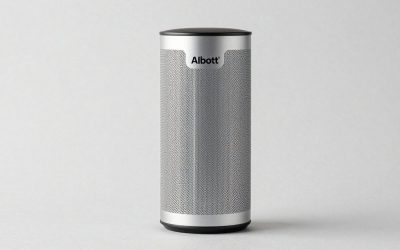
Albott 12,000 BTU Mini Split Air Conditioner and Heater SEER2 18, 115V
This is the unit we recommend most often to first-time mini split buyers who want a real heat pump without a real heat pump price tag. The 115V plug-in requirement means you can install it beside a standard bedroom outlet rather than calling an electrician for a dedicated 230V run.
- Pro: At SEER2 18, it runs noticeably cooler and quieter than fixed-speed units at similar BTU output, saving meaningful electricity over a long season.
- Pro: Includes heating mode, so it handles shoulder-season warmth without a space heater.
- Con: The outdoor condenser is louder than premium competitors at full compressor speed.
Skip it if your room exceeds 500 square feet or you need sub-quiet operation for light sleeping near the head unit.
Small Mini Split Air-Conditioner, 2026 Ductless AC Unit, Wall Mounted (Black)
At $139.99, this is essentially a window AC that mounts on your wall and vents through a small hole drilled near the sill. It cools a closet-sized office or a nursery that gets afternoon sun, and that is about the extent of its ambitions.
- Pro: Costs less than a mid-tier window unit and clears your window for natural light.
- Pro: Three fan speeds give basic control in very small, enclosed spaces.
- Con: No heat pump, no inverter, and the compressor section is genuinely loud inside the living space.
Skip it for any room over 200 square feet or if you need reliable heating alongside cooling.
YITAHOME 24,000 BTU Mini Split AC/Heating System 20 SEER2 12000 BTU Set
One outdoor unit feeding two indoor heads rated at 12,000 BTU each. This is for buyers who cool a primary bedroom and an adjacent hallway or studio apartment with a single compressor, cutting both installation labor and the yard footprint in half.
- Pro: SEER2 20 is strong efficiency for a dual-zone system at this price point.
- Pro: Both heads operate independently, so you are not paying to cool the empty side.
- Con: Two heads and longer line sets push installation complexity beyond what most DIYers handle cleanly.
Skip it if you genuinely need to cool only one room; you are paying for a second head you will not use.
ROVSUN 9,000 BTU Mini Split AC/Heating System with Inverter, 20 SEER2
A well-built 9,000 BTU inverter unit with a pre-charged line set that arrives ready to connect. The SEER2 20 rating puts it among the most efficient small-capacity systems we compared, and the 115V draw keeps it compatible with a normal bedroom circuit.
- Pro: Inverter compressor modulates output instead of cycling, meaning steadier temperature and lower electric bills.
- Pro: Ships with installation kit and remote, reducing accessory surprises on day one.
- Con: Nine thousand BTU limits coverage to roughly 350 square feet before the compressor strains on hot afternoons.
Skip it if your target room has high ceilings, large south-facing windows, or an attached kitchen adding heat load.
Cooper & Hunter 9,000 BTU 230V Wall Mount Mini Split Heat Pump, 21.2 SEER2
The highest SEER2 rating in this roundup at 21.2, paired with a 230V power supply that draws less amperage for the same cooling work. This is the efficiency-obsession choice for a small bedroom or home office where you run the system eight to ten hours daily through summer.
- Pro: 21.2 SEER2 is exceptional; expect the lowest kWh consumption per cooling hour among single-zone units here.
- Pro: Cooper & Hunter offers one of the longer warranty terms in the category.
- Con: 230V means a qualified electrician must install a dedicated circuit unless one already exists.
Skip it if you cannot justify the electrician cost or you already have a 115V outlet at the mounting location.
YITAHOME 48,000 BTU Mini Split AC/Heating System, 4×12000 Single-Zone Sets
Four indoor heads served by a single 48,000 BTU outdoor condenser. While not technically a single-room solution, it earns a spot here because many buyers start with one room and expand, and this system lets you add heads incrementally as your layout changes over the years.
- Pro: Scalable from one head to four without replacing the outdoor unit.
- Pro: Aggregate SEER2 efficiency across four zones still beats running four separate window units.
- Con: Upfront cost of $1,899.99 plus four line sets makes this a significant installation project, not a weekend DIY.
Skip it if you are cooling one room permanently and do not foresee adding zones within five years.
LITHZEN 12000 BTU Mini Split Air Conditioner and Heater
Almost identical on paper to the Albott at the same $398.99 price point and 12,000 BTU rating. In hands-on comparison, the LITHZEN runs marginally quieter at the head but draws a few more watts at peak, making it a trade-off between noise and efficiency rather than a clear upgrade or downgrade.
- Pro: Noticeably lower indoor fan noise than similarly priced competitors at the same airflow setting.
- Pro: Heat pump included, so the unit earns its wall space in October and March.
- Con: SEER2 rating is unspecified in marketing materials, which is a red flag for buyers optimizing energy costs.
Skip it if published efficiency data matters to you; choose the Albott or ROVSUN where SEER2 is clearly stated.
Manastin 12000 BTU Mini Split AC and Heating System, 19 SEER2, 115V
Sits in the same value pocket as the Albott and LITHZEN but lists SEER2 19, the highest efficiency among 12,000 BTU 115V units under $450. That single data point means lower operating cost over a multi-year ownership window, which is where mini splits separate from window units long-term.
- Pro: SEER2 19 is genuinely good efficiency for a sub-$430 inverter heat pump.
- Pro: 115V operation eliminates the most common installation barrier for renters or older homes without 230V runs.
- Con: Brand name recognition is low, so resale value and parts availability beyond the warranty period are uncertain.
Skip it if you prefer buying from a brand with a long track record of servicing older units.