Key takeaways
- Check used gym equipment by exact model and official recall scope, record unresolved matches and separate recall status from condition checks.
What's inside
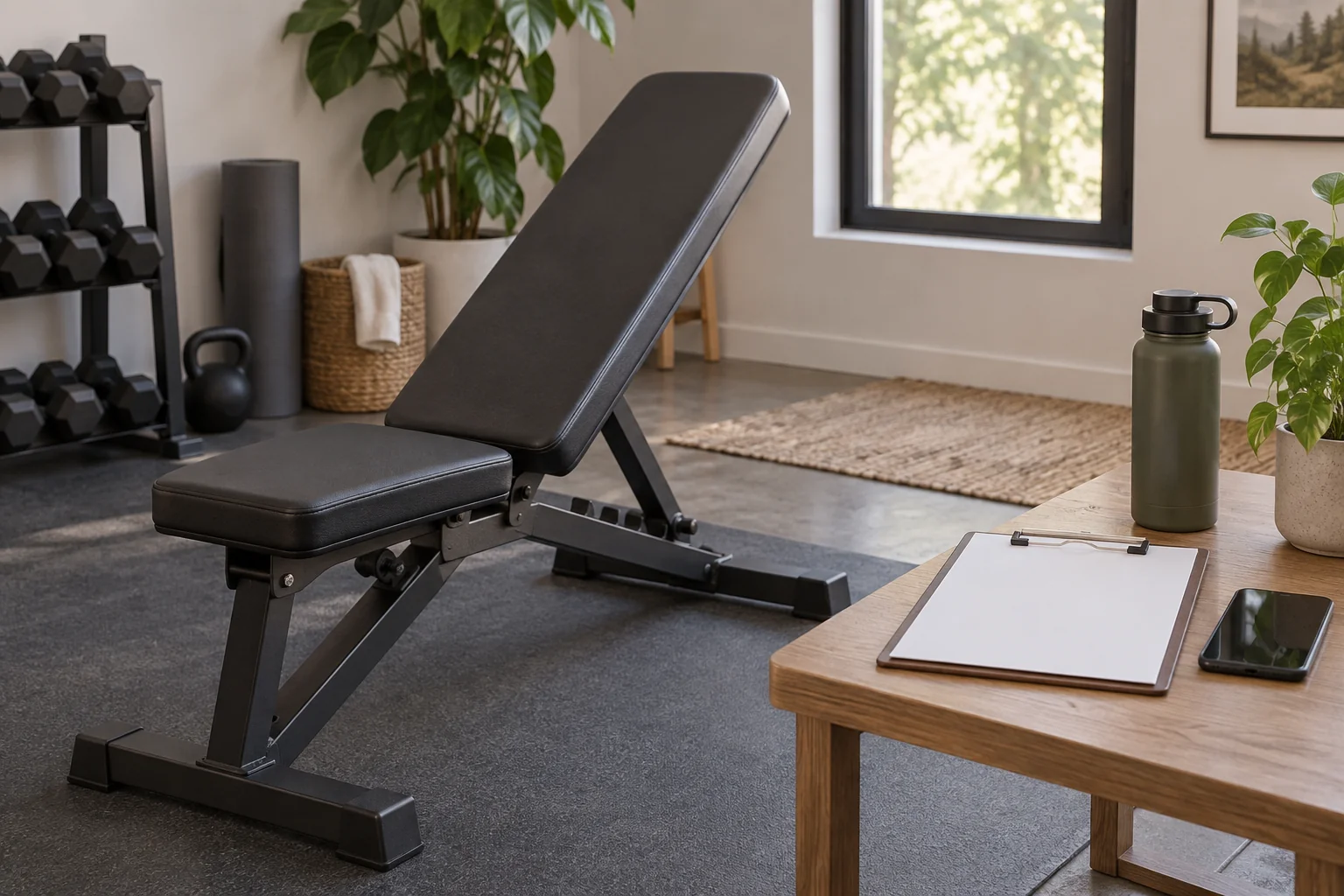
Check second-hand gym equipment against recall notices using its exact identity, not just the seller’s description or a photograph of a similar model. Record the manufacturer, full model, serial or date identifiers where applicable, the country in which it will be used and the official notices you reviewed. An incomplete match should remain unresolved before purchase or use.
A recall search is one part of evaluating used equipment. Finding no matching notice does not prove that an individual machine is undamaged, complete, correctly assembled or suitable for your space.
Collect identity before comparing prices
Ask for clear photographs of the accessible product label and any model plate. Compare those details with the manufacturer’s documentation. A marketplace title may shorten a name, omit a generation or reuse photographs, so keep the label evidence alongside the listing rather than treating the listing as the definitive identity.
Do not ask someone to operate suspect equipment or dismantle it merely to obtain a number. Use the manufacturer’s guidance for locating identifiers. If the label cannot be read, contact the manufacturer with the information available and keep the identity status open.
Keep serial photographs in a private purchase record. The public-facing note for household users only needs enough information to identify the equipment and explain any use restriction.
Use the official notice and current manufacturer instructions
For equipment in the United States, check the Consumer Product Safety Commission’s official recall information and the manufacturer’s current recall page. Other markets require the relevant local authority and manufacturer guidance; do not assume that a remedy offered in one country applies everywhere.
The CPSC’s June 5, 2025 BowFlex adjustable-dumbbell notice identifies affected 552 and 1090 products and an impact hazard from weight plates that can detach. This is a concrete example of why a familiar model name still needs a current recall check.
At this review, BowFlex’s current recall FAQ says genuine affected 552/1090 products in the US are included even when their serial number is not in the linked table. It instructs owners to stop use and follow the recall process. The page distinguishes other dumbbell products and newer replacement products, so do not generalize the notice to every BowFlex model.
Compare the whole scope statement
Read the model description, identifiers, dates, region and any exclusions together. A similar photograph is not enough to establish a match, and a serial number absent from one table is not automatically a clearance. The current manufacturer clarification may be important, as the example above shows.
Save the notice URL, its recall date or identifier and the date you checked it. If an older article describes a different remedy, return to the official current instructions. Do not assemble a remedy from fragments of several notices involving similar products.
| Field | Evidence to retain | Status to record |
|---|---|---|
| Exact identity | Label photograph, model and relevant identifiers | Confirmed or unresolved |
| Market | Country and applicable official authority | Scope confirmed or question pending |
| Notice reviewed | Official URL, date and recall identifier | Match, uncertain match or no match found |
| Manufacturer direction | Current model-specific instructions | Stop use, contact support or other stated action |
| Remedy evidence | Official confirmation linked to this unit | Pending or documented |
| Separate condition check | Manual, parts and appropriate inspection | Not established by the recall search |
Worked example: an incomplete seller assurance
In a fictional used-equipment listing, the seller writes “recall checked” but provides only a model name. The prospective buyer asks which official notice was checked and requests the appropriate label details. The model appears within an official recall’s scope, while the seller says its number was absent from an older list.
The buyer does not treat that statement as a release to use the equipment. They consult the current manufacturer instructions and contact the official support route if the identity or remedy remains unclear. The purchase decision stays paused rather than being settled by a lower price or an informal demonstration.
If the seller says a remedy was completed, ask for the documentation connecting that work or replacement to this particular unit. A generic email about a recall is different from confirmation that the relevant remedy for the offered equipment has been completed.
Keep unresolved equipment out of the shared routine
If you already own equipment covered by a stop-use instruction, follow that instruction and make its status clear to everyone who might use it. Do not test it repeatedly to see whether the reported problem occurs. Use the official process for the remedy rather than improvising a repair.
After a recall question is resolved, return to the separate checks for condition, correct parts, assembly instructions and room suitability. A completed recall remedy does not answer all of those questions.
The final record should say what was checked, when it was checked and what remains unknown. “No matching recall found on this date” is an honest search result. “Guaranteed safe” is a conclusion that this process cannot provide.