
Key takeaways
- Measure the doorway, not the doorway. Manufacturers quote frame width, but what limits you is the outer trim-to-trim span and the depth of the casing. Measure both, then add an inch of margin. A bar advertised for “standard” frames often means 24–32 inches of clear opening with at least a 3-inch flat surface above it.
- Check the hang gap, not just the height. You need roughly 6–8 inches between your knuckles and the ceiling to avoid scraping, and enough clearance behind the bar for your head to pass through on a strict rep. Wall mounts with only a 10-inch standoff force you to lean back awkwardly; 16–20 inches is far more comfortable.
- Treat the weight rating as static, not dynamic. Ratings are typically measured with a dead load. Kipping, dropping into a hang, or adding a 45 lb weight belt multiplies peak force well past bodyweight. Aim for a rating of at least twice your loaded weight if you plan to move fast.
- Prioritize a 1.25–1.5 inch bar diameter. Thin tubing digs into the palm and thick tubing kills grip endurance. Most people are happiest in that range, with light knurling or a firm foam sleeve rather than the soft spongy kind that rolls under your fingers.
- Decide whether you want dips. If you do, a tower or a bar with integrated push-up and dip handles saves you a second purchase. If you only want pull-ups, skip the multi-station hardware — it adds footprint and flex without improving the pull.
What's inside
A pull-up bar is one of the few pieces of home equipment where the difference between a good buy and a bad one shows up in the first thirty seconds of use. You hang, and either the steel sits dead still or you feel that unmistakable half-inch of sway that turns every rep into a balance exercise. The specs that matter are unglamorous: tube wall thickness, how far the bar sits from the wall, whether the padding compresses into your door trim, and whether the mounting hardware was designed for a 2×4 joist or for optimism.
I’ve broken the field into six archetypes rather than chasing every model on the market, because the mounting method dictates almost everything else — capacity, grip width, kipping tolerance, and whether your landlord ever finds out. A doorway bar that clears 33 inches is useless in a 30-inch frame. A ceiling mount that gives you eight feet of hang height is wasted in a room with 7’6″ ceilings. Match the mount to your space first, then argue about knurling.
As an Amazon Associate we earn from qualifying purchases at no extra cost to you. Product prices and availability are accurate as of the date shown and are subject to change.


As an Amazon Associate we earn from qualifying purchases at no extra cost to you. Product prices and availability are accurate as of the date shown and are subject to change.
Quick Comparison
| Pick | Mount Type | Best For | Typical Capacity | Grip Positions | Install Effort |
|---|---|---|---|---|---|
| Doorway Leverage Bar | Hooks over frame, no screws | Renters, daily use | 250–300 lb | 3–5 | 2 minutes |
| Wall-Mounted Steel Bar | Lag bolts into studs | Weighted pull-ups | 500–800 lb | 2–4 | 45–60 minutes |
| Ceiling-Mounted Bar | Lag bolts into joists | Wide grip, ring work | 400–600 lb | 2–3 | 60 minutes |
| Telescoping Pressure Bar | Friction fit in frame | Budget, travel | 200–250 lb | 1 | 5 minutes |
| Freestanding Power Tower | None (floor-standing) | Dips, knee raises, circuits | 250–350 lb | 4–6 | 60–90 minutes |
| Multi-Grip Frame Trainer | Bracket plate on trim | Grip variety, elbow comfort | 300 lb | 6+ | 20 minutes |
How to Choose
- Measure the doorway, not the doorway. Manufacturers quote frame width, but what limits you is the outer trim-to-trim span and the depth of the casing. Measure both, then add an inch of margin. A bar advertised for “standard” frames often means 24–32 inches of clear opening with at least a 3-inch flat surface above it.
- Check the hang gap, not just the height. You need roughly 6–8 inches between your knuckles and the ceiling to avoid scraping, and enough clearance behind the bar for your head to pass through on a strict rep. Wall mounts with only a 10-inch standoff force you to lean back awkwardly; 16–20 inches is far more comfortable.
- Treat the weight rating as static, not dynamic. Ratings are typically measured with a dead load. Kipping, dropping into a hang, or adding a 45 lb weight belt multiplies peak force well past bodyweight. Aim for a rating of at least twice your loaded weight if you plan to move fast.
- Prioritize a 1.25–1.5 inch bar diameter. Thin tubing digs into the palm and thick tubing kills grip endurance. Most people are happiest in that range, with light knurling or a firm foam sleeve rather than the soft spongy kind that rolls under your fingers.
- Decide whether you want dips. If you do, a tower or a bar with integrated push-up and dip handles saves you a second purchase. If you only want pull-ups, skip the multi-station hardware — it adds footprint and flex without improving the pull.
Top Picks Reviewed
Doorway Leverage Bar — Best Overall
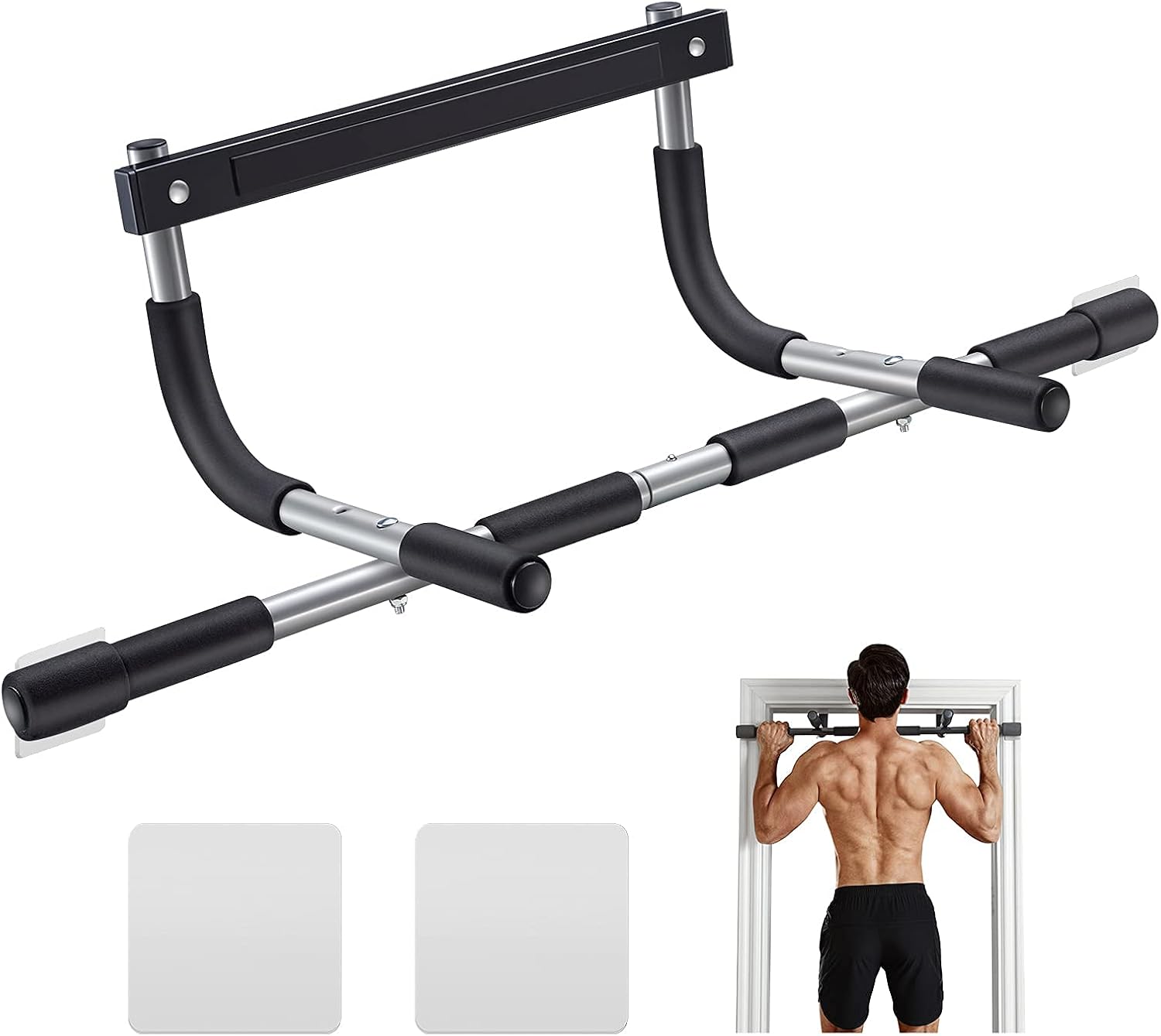
This is the design that hooks over the top of the door frame and uses your bodyweight as the clamping force, with a padded upright pressing against the wall above the door. Nothing gets drilled, and the leverage geometry means it actually gets more secure the harder you pull. The tradeoff is a small footprint of pressure on the wall — check that the pads are wide and firm, because narrow pads on soft drywall will eventually leave two shiny compression marks. Expect three to five grip positions and a comfortable 1.25-inch tube. For most people in most homes, this is the one I’d buy.
Wall-Mounted Steel Bar — Best for Serious Loading
Two brackets, four to six lag bolts into studs, and a heavy-gauge crossbar that will not move again. This is the only category where weighted pull-ups feel genuinely boring, which is the highest compliment you can pay a bar. Look for 11-gauge or thicker steel and a standoff of at least 16 inches. Installation is the barrier: you need a stud finder, a drill, and the honesty to admit when you’ve hit a nailing plate instead of solid lumber.
Ceiling-Mounted Bar — Best for Wide Grip and Rings
Mounting into ceiling joists gives you a genuinely wide grip and unlimited swing clearance behind you, plus threaded eyelets on better models for hanging rings or a suspension trainer. The catch is ceiling height — under 7’8″ and taller users will be tucking their knees on every rep. Run the mounting plates perpendicular to the joists so each bolt lands in solid wood.
Telescoping Pressure Bar — Best Budget Option
A threaded tube that expands against the inside of a door frame. It is inexpensive, packs into a suitcase, and offers exactly one grip. Friction mounting is the weak point: it must be tightened firmly and re-checked regularly, and it is a poor choice for kipping or for frames with tile or slick paint. As a travel bar or a first purchase for someone under 200 pounds, it’s honest value.
Freestanding Power Tower — Best for Full-Body Work
No mounting at all, which makes it the answer for concrete walls, metal studs, or leases with teeth. You get pull-ups, dips, vertical knee raises, and usually an incline push-up station. The compromises are footprint — figure four square feet plus swing room — and some frame rock at the top of an explosive rep. Wide feet, a rear stabilizer bar, and a base you can load with plates all help.
Multi-Grip Frame Trainer — Best for Grip Variety
A bracket plate that screws into the door casing, supporting a bar with neutral, angled, and wide positions. The angled grips are the real draw: if straight-bar pull-ups aggravate your elbows or wrists, a 30-degree neutral grip often removes the pain entirely. Because it bolts into trim rather than studs, capacity is moderate — treat 300 pounds as a ceiling, not a target.
Frequently Asked Questions
Will a doorway bar damage my door frame?
A leverage-style bar with wide, firm pads usually leaves nothing worse than faint compression marks that fade. Damage happens when pads are narrow, when the bar is used on hollow or laminate trim, or when someone kips hard on a frame that was already loose. Wipe the contact area clean before installing — grit trapped under a pad is what scratches paint.
How much weight can these actually hold?
Published ratings run from about 200 pounds on friction-fit bars to 800 pounds on bolted steel, but those are static figures. Dropping into a hang can briefly double the load. If you’re 200 pounds and want to add a 50-pound belt, a bar rated for 500 pounds or more mounted into studs is the safe answer.
What if I can’t do a pull-up yet?
Buy the bar anyway and use it for dead hangs, scapular pulls, and slow negatives — step up, then take five seconds to lower. Loop a resistance band over the bar and put a knee in it to reduce effective bodyweight. Most people go from zero to one clean rep in six to ten weeks of three sessions per week.
Wall-mounted or freestanding?
Wall-mounted wins on rigidity, cost, and floor space, and loses on flexibility. Freestanding wins if you can’t drill, if you want dips and leg raises in one unit, or if you expect to move. If you have accessible wood studs and no plans to relocate the bar, mount it to the wall.
Final Thoughts
The best pull-up bar is the one that fits your doorway or studs, holds twice what you weigh, and sits where you’ll walk past it every day. Doorway leverage bars cover the majority of homes with no drilling and no drama; bolted steel is the upgrade if you plan to hang plates from your waist; a tower is the workaround when nothing can be drilled at all. Skip the ultra-cheap friction bars if you’re above 200 pounds or train explosively, spend the extra few dollars on a thicker tube, and install it somewhere annoying enough to be convenient — a hallway you use ten times a day beats a spare room you visit twice a week.
FAQ
Will a doorway bar damage my door frame?
How much weight can these actually hold?
What if I can’t do a pull-up yet?
Wall-mounted or freestanding?

Best Affordable Yoga Mat: 6 Picks Ranked by Cost Per Year
Best affordable yoga mat is a question of arithmetic rather than taste....
8 Best Rated Ab Rollers: 6 Wheels Compared for Home Workouts
The ab wheel has a worse safety record than almost any other...
Best In House Pull Up Bar: 6 Picks for Small Home Setups
There is a training method that suits small homes better than it...
Best At Home Pull Up Bar: 6 Picks for Renters and Owners
Pull-ups seem like the quiet exercise until you actually do them in...
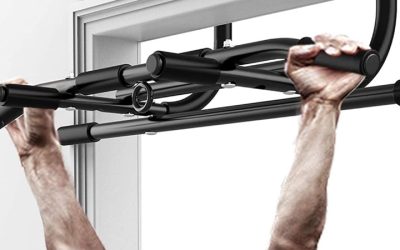
Best Home Pull-Up Bar: 7 Top Picks for Doorways & Walls
A 440-pound rating sounds like enormous headroom until you understand how it...
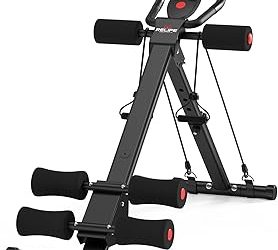
8 Best Abs Workout at Home Without Equipment: Kit Optional
Best abs workout at home without equipment is a genuine category rather...
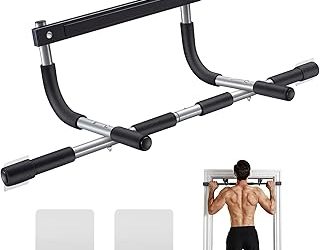
8 Best Pull Up Bars for Doorway Frames: Measure Before You Buy
Three measurements decide whether a doorway pull-up bar works in your home,...
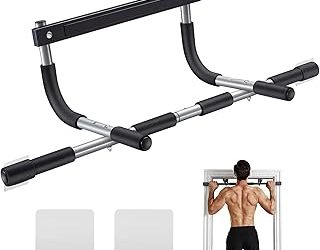
8 Best Door Pull Up Bar Picks Rateds on Fit and Frame Safety
A doorway pull-up bar lives or dies on two measurements most...
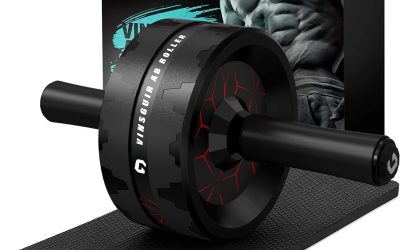
8 Best Ab Rollers: Top Picks Reviewed (2026)
An ab wheel is the rare piece of home equipment that...
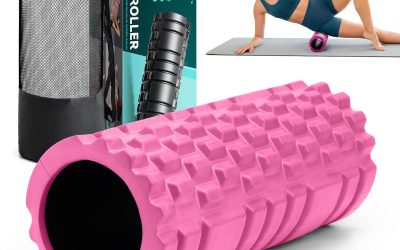
8 Best Foam Rollers: Top Picks Reviewed (2026)
A foam roller occupies an odd niche in fitness gear: it...
Write Your Review
No reviews yet. Be the first to share your experience!