
Key takeaways
- Add a dynamic multiplier: Take your body weight, add any belt weight, then multiply by two for kipping or dropping. Compare that number to the rating, not your scale weight.
- Trace the load path: Ask where force ultimately ends up. Doorway bars end at drywall and trim, joist mounts end at framing, towers end at the floor. That destination is the true capacity limit.
- Check tube wall thickness: Thickened steel tubing flexes less under load. Visible bar deflection during a rep is a warning sign, not a comfort feature.
- Verify seating every session: Doorway bars can shift slightly during use. A ten-second check that both hooks are fully engaged prevents the most common accident with this category.
- Match the design to your training style: Strict pull-ups suit any of these. Kipping, muscle-ups, and weighted work belong on a tower or a joist mount.
What's inside
A 440-pound rating sounds like enormous headroom until you understand how it is measured. Those numbers come from static load testing, where weight is applied gradually and held. Pull-ups are not static. Dropping into a dead hang, kipping, or letting go and catching the bar generates peak forces two to three times body weight for a fraction of a second. A 200-pound person doing controlled reps is fine; the same person doing explosive muscle-up attempts is approaching numbers the rating never contemplated.
That gap between rated capacity and real dynamic load is why mounting method matters more than the number stamped on the box. A doorway bar rated to 440 pounds is still only as strong as the drywall header it presses against. A joist mount rated the same is bolted to structural lumber. This roundup compares six options on how they handle load in practice, which failure modes each has, and who should be looking past doorway designs entirely.
As an Amazon Associate we earn from qualifying purchases at no extra cost to you. Product prices and availability are accurate as of the date shown and are subject to change.


Quick Comparison
| Product | Best For | Standout Feature | Watch Out For |
|---|---|---|---|
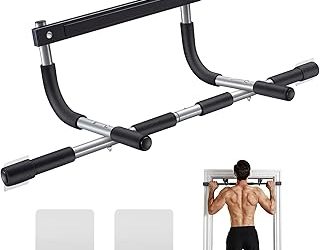
| Ally Peaks Multi-Grip Doorway Bar | Controlled strict reps | Thickened steel tube resists flex under load | Load path still terminates in drywall |
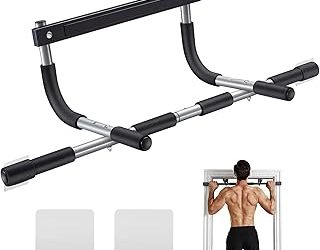
| Sportneer No-Drill Doorway Bar | Moderate loads without hardware | 440 lb rating with adjustable 29.5-37 in span | Wider spans reduce effective rigidity |
| Ally Peaks 440 lb Doorway Bar | Heavier users | Reinforced tubing with a real safety margin | Rating assumes correct frame seating |
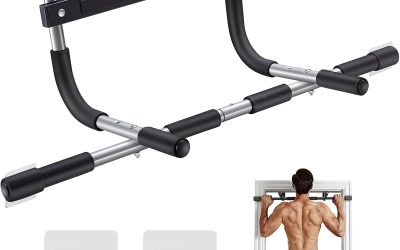
| Upgrade Multi-Grip Bar with Larger Hooks | Secure engagement on odd trim | Larger hooks seat more positively on the frame | Hook geometry must match your molding exactly |
| SPORTSROYALS Free Standing Power Tower | Explosive and weighted work | Load goes straight into the floor through a steel frame | Can rock if not on level ground |
| Joist Mount Wall Pull Up Bar | Maximum structural confidence | Bolts into framing lumber, not surface material | Only as strong as your fastener choice |
How to Choose
- Add a dynamic multiplier: Take your body weight, add any belt weight, then multiply by two for kipping or dropping. Compare that number to the rating, not your scale weight.
- Trace the load path: Ask where force ultimately ends up. Doorway bars end at drywall and trim, joist mounts end at framing, towers end at the floor. That destination is the true capacity limit.
- Check tube wall thickness: Thickened steel tubing flexes less under load. Visible bar deflection during a rep is a warning sign, not a comfort feature.
- Verify seating every session: Doorway bars can shift slightly during use. A ten-second check that both hooks are fully engaged prevents the most common accident with this category.
- Match the design to your training style: Strict pull-ups suit any of these. Kipping, muscle-ups, and weighted work belong on a tower or a joist mount.
Top Picks Reviewed
Most Rigid Doorway Option: Ally Peaks Multi-Grip Doorway Bar
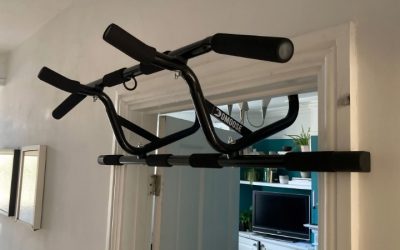
The thickened steel tubing is what keeps this bar from flexing noticeably mid-rep, and rigidity is a genuine confidence factor when you are hanging from something at head height. Multiple grip positions also let you distribute load across different points of the bar rather than fatiguing one section.
No amount of steel changes the fact that the reaction force lands on drywall. If your header is soft or your plaster is old, the bar is not the weak link and upgrading it will not help.
Best No-Hardware Capacity: Sportneer No-Drill Doorway Bar
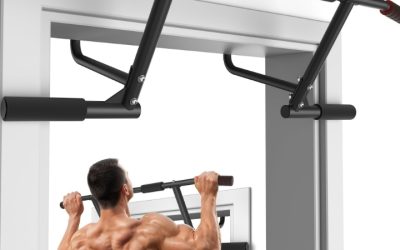
Getting a 440 lb rating from a design requiring zero fasteners is a real engineering result. The 29.5 to 37 inch adjustment covers virtually all standard interior doors.
Rigidity drops as you extend it. Set to the maximum 37 inches, the unsupported span is longer and you will feel slightly more give than at the narrow end. Use the smallest doorway that fits you.
Best for Heavier Users: Ally Peaks 440 lb Doorway Bar
For someone at 220 or 240 pounds, margin matters. The reinforced tubing here means that even with the dynamic multiplier applied, a strict rep stays well inside the design envelope.
The rating assumes the bar is seated correctly on a sound frame. Half-engaged hooks or a bowed door casing invalidate the number entirely, so the pre-set check is not optional at higher body weights.
Most Positive Engagement: Upgrade Multi-Grip Bar with Larger Hooks
The enlarged hook design grabs more of the frame, which reduces the chance of the bar walking sideways during a set. On trim profiles where standard hooks sit shallow, this is a meaningful safety improvement rather than a marketing feature.
The flip side is fit specificity. If your molding is unusually thin, the larger hooks may sit loosely and actually engage worse than a standard design. Measure the trim before ordering.
Best for Dynamic Work: SPORTSROYALS Free Standing Power Tower
This is the only option here that handles kipping, weighted pull-ups, and dip work without any structural question marks. Force travels down a welded steel frame into the floor, which is the most honest load path available in a home setup.
Stability depends on the floor. On uneven basement concrete or thick carpet, the base can rock slightly under aggressive movement, which is unnerving even when it is not dangerous. Shim it properly during assembly.
Strongest Fixed Mount: Joist Mount Wall Pull Up Bar
Anchored into framing lumber with proper lag bolts, this configuration exceeds what most people will ever load it with. The heavy-duty steel construction is not the limiting factor once it is correctly installed.
Installation is where it fails or succeeds. Undersized fasteners, missed studs, or mounting into drywall alone turn the strongest option in this roundup into the most dangerous one.
Frequently Asked Questions
Is a 440 lb rating enough for a 250 lb person?
For strict, controlled reps, yes, comfortably. For kipping or dropping off the bar, the momentary peak can approach or exceed that figure, which argues for a joist mount or tower instead.
Why do doorway bars sometimes slip?
Usually incomplete hook engagement, a doorway wider than the bar’s rated span, or paint slick enough to reduce friction at the contact pads. Check seating before every session.
Can I do weighted pull-ups on a doorway bar?
Light weight on a well-seated bar with a solid frame is generally fine. Anything past 25 or 30 pounds added is better handled by a free-standing tower or a bolted mount.
What fasteners should a joist mount use?
Lag bolts sized to the manufacturer’s spec, driven into the center of solid framing with pilot holes. Drywall anchors and toggle bolts are never appropriate for this load.
Final Thoughts
Read capacity ratings as a starting point, not a guarantee. Apply a dynamic multiplier to your own weight, follow the load path to wherever it actually ends, and pick the mounting style that keeps that destination structural rather than cosmetic. Strict training on a well-seated doorway bar is safe; explosive training belongs on steel that reaches the floor or bolts to a joist.


Write Your Review
No reviews yet. Be the first to share your experience!