Key takeaways
- Agree on shared furniture needs, contributions, everyday responsibilities and future expectations before anyone commits to a purchase for the household.
What's inside

Agree on shared-room furniture purchases by defining the job, the people affected and the unresolved responsibilities before choosing a product. Someone finding an attractive sofa is the start of a discussion, not evidence that everyone wants the same size, cost or commitment. A short written brief makes those differences visible while changes are still easy.
Include the people who use the room, even when only one person intends to pay. Ownership and everyday use are different questions. A privately owned table can still occupy shared floor space and change how everyone moves through the home.
Agree on the problem before the product
Ask each person to describe the problem they want solved without naming a product. One may need somewhere to work briefly, another may want more guest seating, and a third may want less furniture to move when cleaning. Keep these requests separate until everyone understands them.
List existing pieces that could already perform the job. Reusing one may avoid a purchase, while replacing another may require the owner’s agreement. Do not build a plan around removing someone else’s belongings without including that decision explicitly.
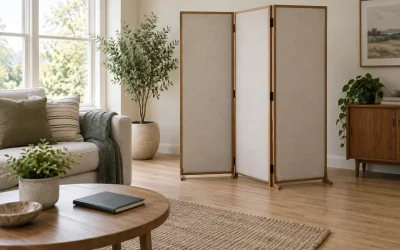
IKEA’s shared-living example shows smaller tables and movable furniture supporting different activities. That is one possible product direction when a room has several uses. It does not determine which item your household should buy or how the cost should be shared.
Separate requirements from preferences
Write the conditions that an option must meet, such as fitting an agreed location, allowing required access or serving a particular activity. Then record preferences such as color or style. Ask why an item is called essential before accepting it as a requirement; a strong aesthetic preference may still be negotiable.
| Decision area | Question for the household | Useful record |
|---|---|---|
| Purpose | What activity becomes easier? | One shared problem statement |
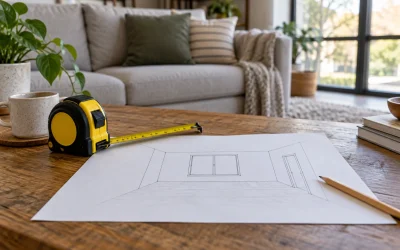
| Space | Where will it live and operate? | Agreed measured position |
| Selection | Which conditions must every option meet? | Requirements separate from preferences |
| Payment | Who is willing to contribute what? | Explicit agreement before ordering |
| Responsibility | Who handles delivery, assembly and care? | Named people and unresolved tasks |
| Future change | What happens if someone moves? | A discussion of ownership and removal expectations |
This record is a planning aid, not a legal agreement or a substitute for advice where ownership is disputed. Do not assume that equal use, equal payment and equal ownership mean the same thing. If the household cannot agree on a material issue, leave the purchase undecided.
Compare a small number of real options
Bring two or three options that meet the agreed requirements, with the exact size, configuration and included components. Add delivery and any necessary assembly or accessories to the comparison. A lower product price can be misleading if the household is comparing different levels of service.
Ask each person to record their preference and reason before the group discussion. This gives quieter household members a chance to identify a concern before the first enthusiastic opinion becomes the default. Avoid using a score to hide an unresolved requirement.
Assign the work around the purchase
Confirm who will receive the item, check it against the order and arrange any required assembly. Decide who keeps the receipt and instructions in an accessible agreed location. Follow the manufacturer’s directions for assembly and anchoring rather than assigning an unfamiliar technical job to whoever happens to be home.
Discuss routine care and movement. If a table must be cleared every evening, identify who is willing to do that. If a piece is heavy, do not describe it as flexible merely because the layout drawing shows several possible positions.
A fictional coffee-table disagreement
Imagine three roommates considering a large coffee table. One wants a place for board games, another needs the room open for an occasional exercise session, and the third mainly wants somewhere to set a drink. Their initial product choice meets only the first person’s stated need.
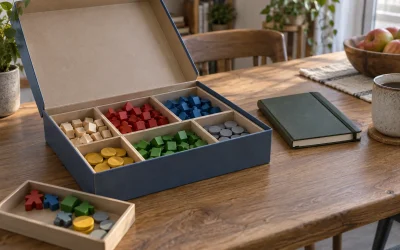
They compare a smaller table arrangement with a separate suitable game surface and the original large table. They check the actual storage destination and handling requirements for anything that moves. If the alternative creates an equally awkward storage problem, it does not win simply because it is described as multifunctional.
The household agrees to postpone the purchase until that question is resolved. Postponement is a useful outcome when the evidence is incomplete; it is better than treating silence or tiredness as unanimous approval.
Confirm the exact order together
Before paying, circulate the final model, finish, size, total quoted cost and delivery arrangement. Include any change from the option previously discussed. A substitute color or larger size deserves a fresh check rather than being treated as a harmless detail.
Keep the agreed brief with the purchase record and revisit it if the room or household changes. The aim is not a complicated approval process. It is a purchase whose purpose, footprint and responsibilities are understood by the people who will live with it.