Key takeaways
- Keep returns moving with verified preparation instructions, separate parcel states, assigned handoffs and a small station that clears after dispatch.
What's inside
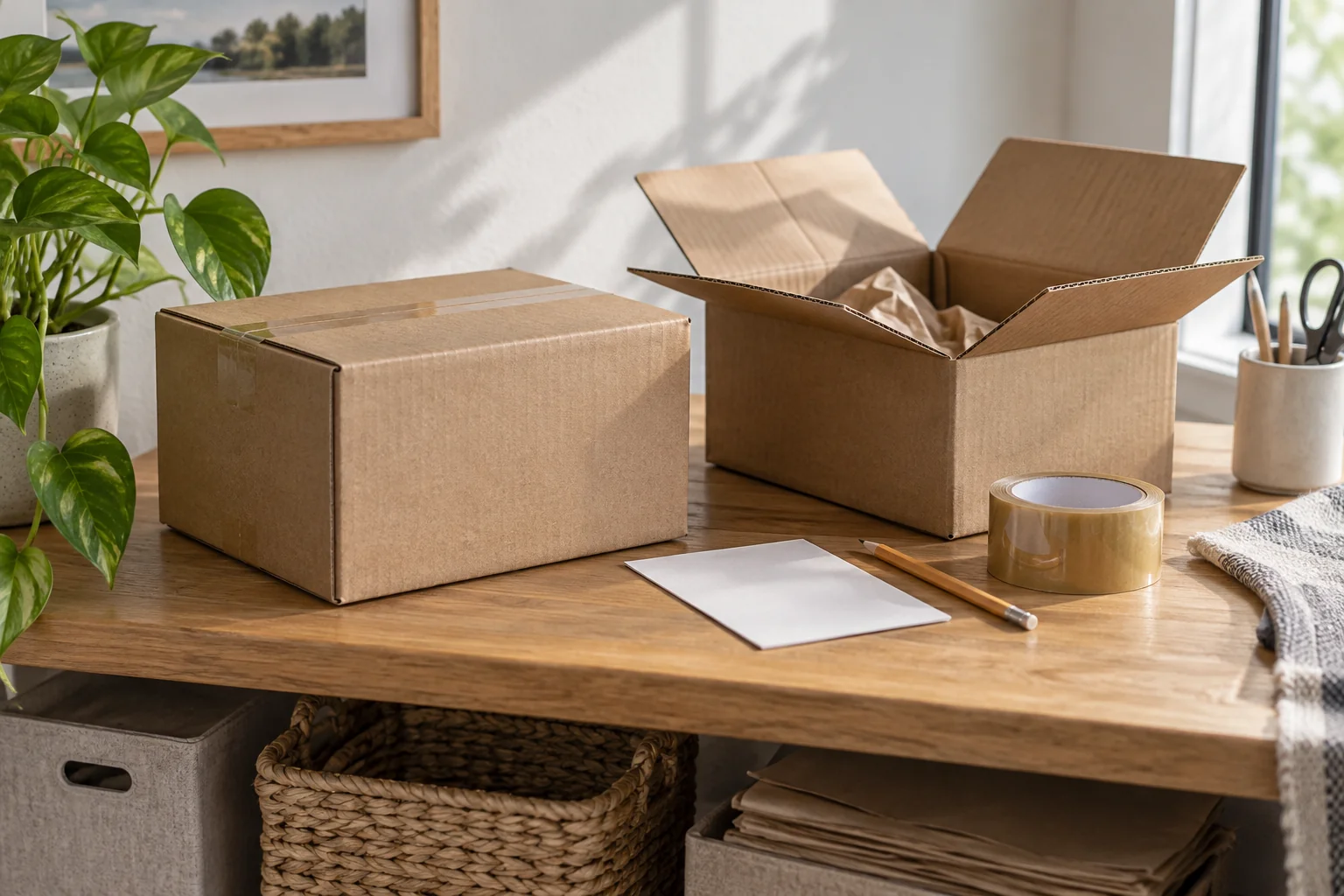
Plan a return-parcel station around a small number of active returns and a clear next action for each one. A box beside the door is not necessarily ready to leave: it may still need authorization, the correct label or a particular drop-off method. Keep those states visible to the responsible person without displaying personal order details to everyone entering the home.
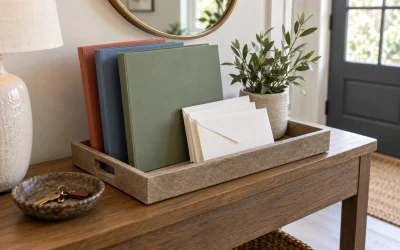
Choose a shelf, cupboard section or other permitted place that does not obstruct ordinary movement or required access. The station should help parcels leave, not become a permanent storage area for every box delivered to the house.
Check the return method before packing
Open the retailer’s instructions for the exact order. Some returns require a packed and labeled parcel; others specify a participating location and a code or a different preparation method. Do not assume that instructions from last month’s return apply to this one.
Record the item, responsible person, required preparation, deadline and intended handoff location privately. Distinguish a deadline for initiating a return from any deadline for handing over the item. Use the seller’s exact terms rather than converting every date into a generic “return by” note.
UPS’s return-package guidance describes checking for a shipper-provided label and preparing an appropriate box, including removing old shipping labels when reusing one. Those steps apply when a boxed shipment is required. Follow the specific retailer and carrier instructions for your return rather than treating the station as permission to choose any convenient method.
Use three physical states
Give active returns a simple progression: waiting for information, preparing and ready for handoff. These can be separate spaces on a shelf or clearly separated containers. Do not place a parcel in the ready area until its owner has checked the actual instructions and completed the required preparation.
| State | Typical missing action | Condition for moving forward |
|---|---|---|
| Waiting | Authorization, correct label or clarification | The owner has usable instructions for this item |
| Preparing | Contents check, appropriate packing or required documents | The parcel meets the specified preparation steps |
| Ready | Confirmed pickup or suitable drop-off visit | Someone knows where and when to hand it over |
| Handed over | Receipt or tracking record retained | The physical space is cleared while follow-up stays recorded |
A short private note can connect a parcel to its status. Avoid attaching unnecessary descriptions of purchases, account numbers or refund amounts where visitors can read them. Keep labels and return documents matched to the right parcel throughout preparation.
Set a capacity that the home can support
Assign a maximum physical area rather than buying a larger organizer whenever returns accumulate. If the space is full, review the oldest unfinished action before accepting another parcel into it. A second waiting box is often a reminder to resolve a decision, not evidence that the station needs more shelves.
Store only a modest amount of reusable packing material appropriate to the returns you actually handle. Keep tools and tape in a suitable place, away from children where relevant. Oversized packaging or items with special shipping restrictions need their own instructed arrangement; do not force them into the ordinary station.
A fictional two-parcel mix-up
Suppose one household member has a sealed box with a printable carrier label, while another has an item whose seller requires a code at a participating counter. Both sit beside the entrance. A helpful roommate assumes both are ready for the same drop-off trip.
The station prevents that mistake by keeping the second item in the waiting area until its owner confirms the required preparation and location. The ready box carries only the agreed internal identifier, with its correct shipping label attached as instructed. The person taking it checks the handoff method before leaving.
This example is about keeping instructions attached to the right item. It does not suggest that all code-based returns are unboxed or that every counter accepts every carrier. The exact return authorization determines those details.
Make departure a real appointment
Assign the handoff to a person and an achievable trip or pickup arrangement. “Someone will take it soon” leaves a finished parcel occupying the station indefinitely. Check the location’s current service and hours, or the pickup requirements, before calling the parcel scheduled.
If another household member is helping, tell them what evidence to retain and where it belongs. They should not need access to the purchaser’s account or payment information merely to carry a correctly prepared parcel. Resolve any questions before the handoff rather than at the counter.
Clear the shelf without losing the record
After handoff, move the receipt or tracking reference into the purchaser’s private record and free the physical space. A parcel leaving the house does not by itself prove that the refund has been completed. Keep the appropriate follow-up reminder separate from the packing shelf.
Review returns that remain stuck in one state. Contact the seller when instructions are unclear instead of repeatedly moving the same box between rooms. The station succeeds when every parcel has a verified next action and a route out of the home, while completed returns stop consuming floor space.